
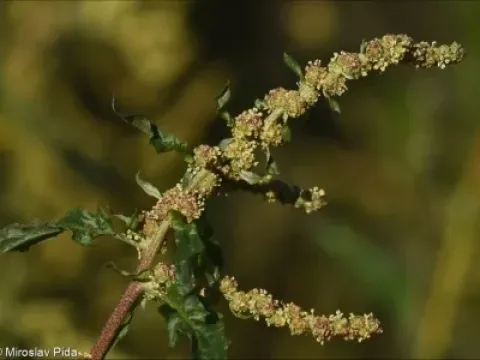
Atriplex lasiantha
Atriplex lasiantha
Atriplex lasiantha is a species belonging to the Amaranthaceae family, known for its resilience and potential as a forage crop in marginal environments.
What the section contains
Atriplex lasiantha
The sowing period is generally in the early spring, following the final frosts, to ensure the soil temperature is adequate for germination.
Mechanical sowing techniques are preferred to ensure consistent seed depth, which typically should range from 1 to 2 centimeters for optimal establishment.
Proper field preparation, including the removal of competitive weeds before seeding, is essential for the crop's development in its early stages.
Row spacing should be calibrated based on the specific end-use, with wider rows generally favored when the objective is seed production or biomass accumulation.
This plant is classified as a halophyte, meaning it is specifically adapted to environments with high levels of soil salinity where traditional crops fail.
It thrives in full sunlight conditions and is highly tolerant to extreme heat, making it an excellent candidate for semi-arid and arid climate zones.
Soil requirements are highly flexible; the species exhibits strong adaptability to various soil structures, including sandy, silty, and saline-alkaline substrates.
Water management is focused on establishing the crop initially; once mature, the plant displays high levels of drought tolerance due to efficient root systems.
Minimal fertilization is required, although strategic nutrient application can significantly enhance the protein content and overall yield of the green forage.
Common pests include various insects such as leaf beetles that target the foliage, causing potential reductions in biomass if left uncontrolled.
Fungal infections, particularly those causing leaf spots, may occur under conditions of poor ventilation or high humidity levels within the plant stand.
Management strategies should include regular monitoring for signs of stress or infestation to implement corrective actions before damage becomes significant.
Crop rotation practices should be strictly followed to reduce the prevalence of soil-borne pathogens that might affect subsequent plantings of this species.
Integrated pest management remains the most effective approach to protect the crop while maintaining its utility as a safe forage resource for livestock.