
Arthrocnemum
Arthrocnemum
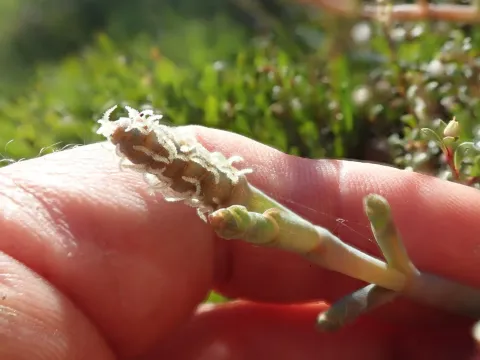
Arthrocnemum is a genus of perennial succulent halophytes belonging to the Amaranthaceae family, adapted to thrive in highly saline environments.
What the section contains
Arthrocnemum
The sowing season is typically initiated during the early spring when the soil temperature becomes warm enough to support germination in saline substrates.
As a halophytic species, its seeds have evolved mechanisms to remain viable in conditions where other plant species would suffer from osmotic shock.
Successful cultivation requires uniform seed distribution, as the tiny seeds need consistent moisture to sprout and establish their root systems.
Proper field preparation involves ensuring the seedbed has adequate salinity levels, as the plant relies on sodium uptake for its early developmental stages.
Arthrocnemum is strictly adapted to saline soils, making it an ideal candidate for farming in coastal marshes or salt-affected inland areas.
Light intensity is a critical factor; the plant requires full sun exposure to maintain its vigorous succulent growth and accumulate essential minerals.
The soil profile must be alkaline with high sodium and magnesium content, conditions that typically inhibit the growth of standard agricultural crops.
Water requirements include regular moisture, although the species is remarkably drought-tolerant due to the water-holding capacity of its segmented stems.
Good air circulation around the plants is essential to prevent moisture buildup, which can lead to fungal issues if the environment becomes too humid.
The yield potential of Arthrocnemum is highly dependent on the frequency of harvesting and the availability of essential micronutrients in the soil.
In a controlled production environment, multiple cuts per season can be achieved, provided that the plant is allowed a recovery period after each harvest.
The crop's value is primarily determined by its succulent stems, which are increasingly sought after for gourmet food markets due to their savory, salty taste.
Productivity remains stable over several years, as the plant is a perennial and can regenerate its biomass from the remaining rootstock.
Sustainable yield management requires precise timing to ensure the plant retains enough energy reserves for long-term survival in harsh conditions.
Arthrocnemum is exceptionally resistant to common pests, as the high salt content in its tissues creates a hostile environment for most insects.
Fungal pathogens associated with overwatering or poor drainage represent the most significant threat to the health of the crop in intensive systems.
Root rot can occur if the soil remains waterlogged for extended periods, especially during cooler seasons when transpiration rates are lower.
Integrated pest management is rarely needed for this crop, as environmental control is usually sufficient to maintain a healthy plantation.
Monitoring for signs of wilting or discoloration is recommended to detect any nutritional imbalances or early-stage fungal infection.
Harvesting is usually done by selectively trimming the succulent shoots, which encourages the plant to branch out and increase its foliage.
Manual harvesting ensures that the damage to the main plant body is minimized, allowing for quick regrowth and sustained production throughout the year.
The stems should be harvested when they are young and tender, as they contain the best texture and the highest concentration of minerals for consumption.
Post-harvest handling involves cleaning the stems and storing them in cool, ventilated conditions to preserve their freshness for market transport.
Efficient logistics are essential for Arthrocnemum, as the product is highly perishable and must reach the consumer quickly to maintain its quality.