
Atriplex colerei
Atriplex colerei
Atriplex colerei is a distinct species within the Amaranthaceae family, known for its exceptional adaptation to harsh environments. As a halophyte, it excels in saline soils where standard crops fail to establish, making it a critical asset for agricultural land reclamation.
What the section contains
Atriplex colerei
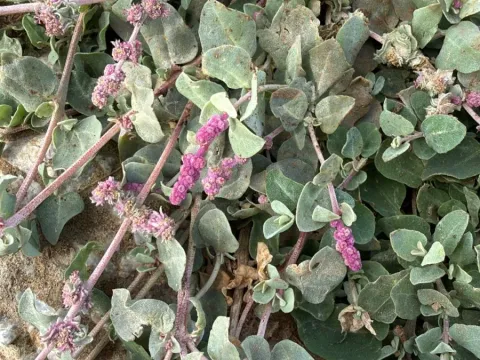
The plant exhibits a branched, upright structure with foliage that is covered in characteristic trichomes or a mealy coating. This adaptation is vital for reflecting excessive solar radiation and reducing water loss through transpiration, which is essential for survival in dry regions.
Soil requirements for Atriplex colerei are minimal regarding fertility; however, it performs best in well-drained sandy or loamy soils. It has an extraordinary ability to utilize moisture from deep soil layers, ensuring growth stability even during prolonged dry spells common in arid climates.
Botanically, it thrives in environments characterized by high light intensity and thermal variability. Its ability to maintain structural integrity and nutritional value under environmental stress makes it a subject of interest for sustainable agricultural research in marginal lands.
The primary use of Atriplex colerei is as forage. It serves as a reliable source of protein and essential minerals for livestock in areas lacking conventional pasture grass. The biomass produced is highly digestible for small ruminants, contributing significantly to food security in vulnerable ecosystems.
The main pests affecting the growth of Atriplex colerei include specific species of weevils that graze on young shoots during the early vegetative stage. These insects can reduce plant density significantly if not addressed with timely observation and integrated management.
Fungal pathogens such as powdery mildew can be problematic during periods of high humidity and moderate temperatures. These conditions favor the spread of spores across the leaves, potentially reducing the photosynthetic efficiency and overall vigor of the crop.
Weed competition is most critical during the seedling establishment phase. As the crop grows slowly during its initial weeks, keeping the field clear of fast-growing weeds is necessary to ensure the crop gains a competitive advantage for sunlight and nutrients.
Pathogen accumulation in the soil is prevented through systematic crop rotation. This practice disrupts the life cycle of pests and fungi, promoting a healthier plant environment without relying solely on chemical pesticides, which is essential for forage safety.
Field monitoring should be conducted consistently throughout the growing season to detect early symptoms of infestation. By maintaining a clean field and utilizing resistant cultivars where available, farmers can effectively manage risks and ensure sustainable yields.