
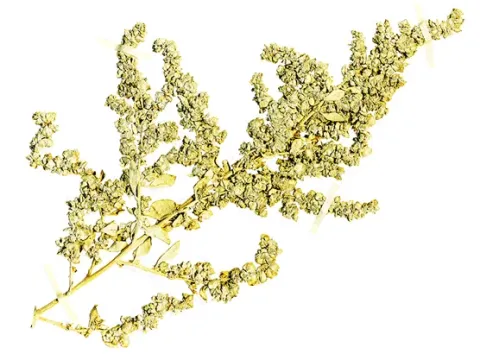
Malva saltbush
Atriplex malvana
Sowing of Malva saltbush is typically performed in the spring once soil temperatures reach 8–10 degrees Celsius. This timing ensures that the crop emerges when the risk of frost has passed, promoting rapid early vegetative development.
What the section contains
Malva saltbush
Seed depth is recommended to be between 1 to 2 centimeters depending on soil texture. On lighter sandy soils, slightly deeper planting is beneficial to maintain seed moisture during the critical germination phase.
The seeding rate varies based on the intended use, such as green biomass or seed production, usually ranging between 5 to 8 kilograms per hectare. Proper calibration of seeding equipment is essential for uniform crop density.
Compacting the soil immediately after sowing is a vital agronomic practice. It improves seed-to-soil contact, allowing capillary water to reach the seeds more efficiently, especially in drier spring conditions.
The crop demonstrates strong seedling vigor and is capable of outcompeting many weed species by rapidly covering the ground. This characteristic reduces the need for herbicide applications throughout the growing season.
Malva saltbush belongs to the Amaranthaceae family and is recognized for its high degree of environmental resilience. It thrives in saline soils, making it an excellent candidate for the reclamation of degraded or marginal lands.
This crop exhibits superior drought tolerance, allowing it to adapt to regions with limited water availability. While hardy, it responds positively to moderate irrigation during periods of high growth to maximize yield potential.
It prefers structured chernozems or chestnut soils with a neutral to slightly alkaline pH. Its plasticity regarding soil conditions allows for wide adaptation across different geographic and climatic zones.
As a light-loving species, Malva saltbush requires open, well-lit sites for optimal development. Shading can significantly reduce growth rates and negatively impact the nutritional quality of the biomass.
Nutritional requirements are moderate, but the application of nitrogen fertilizers during active growth phases can boost biomass production. Phosphorus availability is also important for establishing a robust root system early on.
The yield of Malva saltbush depends on proper management and soil quality. Under optimal conditions, producers can expect green biomass yields ranging from 15 to 30 tons per hectare.
Maximum nutrient content in the biomass is achieved during the early flowering phase. Harvesting at this stage ensures the best balance of crude protein, vitamins, and minerals for livestock feeding applications.
When used as a green manure or cover crop, Malva saltbush contributes significantly to soil structural improvement. Its biomass provides valuable organic matter that enhances soil fertility and moisture retention.
The seed yield of this species is relatively high, supporting self-sufficiency for seed stock needs in farming operations. The seeds exhibit good germination rates and can be stored effectively under proper conditions.
The stability of the harvest is a significant advantage of this crop compared to more demanding species. In adverse weather conditions, it often maintains higher productivity, serving as a reliable insurance crop.
While Malva saltbush is resilient, it can be susceptible to powdery mildew under conditions of high humidity or poor ventilation in thick stands. Practicing proper plant spacing is the primary preventative measure.
Rust diseases may occur during extended periods of rainfall, potentially reducing leaf quality. Maintaining an appropriate crop rotation schedule is effective in minimizing the pressure from these fungal pathogens.
Pests such as aphids and various weevil species may cause damage by feeding on young shoots. Integrated pest management strategies should be employed, using insecticides only when economic thresholds are exceeded.
Root rots are generally associated with heavy, waterlogged soils. Ensuring adequate soil aeration and avoiding water stagnation is essential for maintaining a healthy and productive crop stand.
Overall, the crop possesses a high level of natural immunity. By following sound agronomic practices and observing standard sanitary procedures, farmers can minimize the need for chemical intervention.
For forage purposes, harvesting should take place at the start of the flowering stage. This timing captures the best nutritional profile, ensuring that the material is palatable and highly digestible for livestock.
Mechanical harvesting using mowers is standard. Setting the cutting height correctly is important to encourage regrowth, allowing for potential secondary harvests if environmental conditions remain favorable.
Wilting the biomass in windrows before silage preparation helps reduce moisture levels to optimal ranges. This process improves fermentation quality and preserves the long-term nutritional integrity of the feed.
For seed collection, harvesting is performed once the inflorescences are fully mature. Using combines with precision settings is necessary to handle the small seeds gently and minimize harvest losses.
Post-harvest processing involves cleaning and drying the seeds to a moisture level of 12–14 percent. Proper storage in cool, dry, and well-ventilated areas ensures viability for the following planting season.