
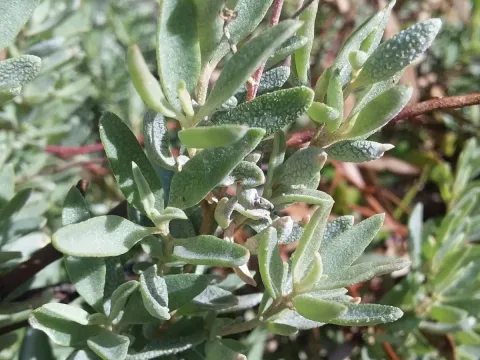
Marsh saltbush
Atriplex paludosa
Marsh saltbush (Atriplex paludosa) is a perennial shrub belonging to the Amaranthaceae family. It is a highly specialized halophyte naturally adapted to coastal salt marshes and saline soils where other crops fail to survive.
What the section contains
Marsh saltbush
This plant exhibits remarkable morphological adaptations, such as succulent leaves and a deep root system, which allow it to thrive in high-salinity environments and tolerate temporary waterlogging conditions.
In terms of cultivation, it requires full sun exposure and performs best in alkaline or neutral soil structures, showing high tolerance to poor soil fertility and nutrient-deficient substrates.
Its ability to regulate internal osmotic pressure enables the plant to remain productive during prolonged drought, making it an excellent candidate for land reclamation.
The botanical structure of the plant creates a protective canopy that reduces surface soil evaporation and prevents erosion, contributing to the stabilization of fragile saline ecosystems.
The primary agricultural interest in Atriplex paludosa lies in its potential as a forage resource for livestock in areas affected by secondary soil salinization.
Yields of biomass are significantly impacted by rainfall frequency, but the crop maintains a reliable production level compared to conventional grasses in harsh salt-affected terrains.
The plant provides high-protein biomass that, when properly managed through strategic grazing or harvesting, supports livestock during seasonal fodder shortages.
Current research investigates the potential for using marsh saltbush seeds as a dietary supplement due to their nutritional profile and resilience to environmental stressors.
Future development plans involve the selection of superior genotypes aimed at increasing leaf area index to maximize output on marginal lands otherwise unsuitable for agriculture.
Common pests affecting marsh saltbush include larvae of lepidopteran species that cause significant defoliation during the peak of the growing season.
Powdery mildew represents a frequent fungal threat, particularly in humid climates or areas with poor air circulation within the plant rows.
Root rot remains a concern only in areas with extremely poor drainage where water stagnation occurs over extended periods, limiting oxygen access to the roots.
Effective management strategies prioritize cultural practices, such as maintaining optimal planting distances to ensure airflow and reduce disease pressure.
Integrated pest management, focusing on the preservation of beneficial insect populations, is recommended over the use of harsh synthetic chemicals in these crops.