
Schinz's Amaranth
Amaranthus schinzianus
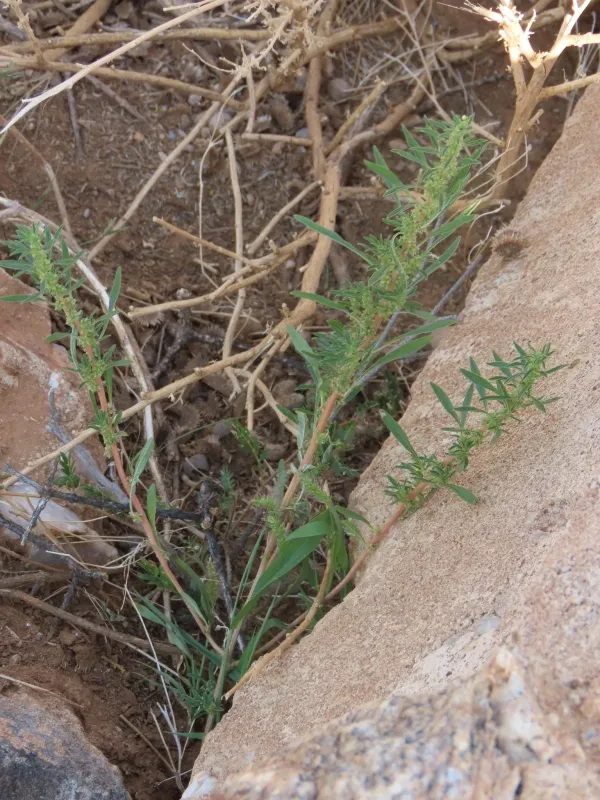
Description
Sowing dates
Schinz's Amaranth is a heat-loving crop; therefore, sowing should only take place once soil temperatures at seeding depth reach 12–15 degrees Celsius.
The ideal planting window is late spring, ensuring that all risks of nocturnal frosts, which can severely damage young seedlings, have completely passed.
Seeds should be planted at a shallow depth of no more than 1.5 to 2 centimeters to allow proper oxygen access and ensure moisture for germination.
Using a row-cropping method with 45–60 centimeters between rows facilitates weed control and allows for optimal plant development throughout the season.
It is essential to plant in calm, dry weather to ensure uniform seed placement and to maintain soil moisture consistency during the early emergence phase.
Growing requirements
This species is highly photophilous and requires well-lit areas to maximize vegetative biomass accumulation and promote healthy growth cycles.
It thrives best in fertile, well-aerated soils that are slightly neutral or alkaline in reaction, which supports efficient nutrient uptake from the ground.
The plant demonstrates remarkable drought resistance due to its metabolic efficiency, though moderate watering during peak growth phases remains beneficial.
Schinz's Amaranth is sensitive to waterlogging, necessitating fields with excellent natural drainage to prevent root issues during heavy rainfall periods.
Temperature ranges of 22 to 30 degrees Celsius are considered optimal for the vegetative phase, making it a viable crop for warmer agricultural climates.
Yield
Yield potential is heavily influenced by soil fertility levels and the timely application of mineral fertilizers during the early stages of plant development.
Under intensive management and favorable climatic conditions, this crop is capable of producing significant amounts of green biomass for livestock feed.
Seed yield varies depending on the length of the frost-free period, as the crop requires a long duration of warm weather to fully mature its grain.
Producers often observe that proper plant density contributes significantly to consistent yield outcomes and prevents overcrowding of the experimental plots.
Maximizing productivity involves careful monitoring of physiological stages to ensure that harvests are timed for peak nutritional content and volume.
Main diseases and pests
Common pests affecting this crop include wireworms and various species of weevils, which can compromise root integrity and damage young shoots.
In humid microclimates, fungal pathogens such as powdery mildew or root rot can develop if air circulation is poor and soil drainage is inadequate.
Effective management includes crop rotation practices and the destruction of potential host weeds to break the life cycles of typical agricultural pests.
Aphid infestations can occasionally occur, causing leaf deformation and reduced photosynthetic activity, which requires prompt scouting and intervention.
Maintaining a clean field environment and choosing resilient varieties are fundamental strategies for reducing the overall disease pressure on amaranth crops.
Harvesting
For forage production, harvesting is typically performed during the flowering stage, when the nutritional quality and protein content are at their highest.
Harvesting for seeds requires precision; the crop should be cut when the panicles turn brown and the seeds become firm and exhibit a characteristic shine.
Timing the harvest is critical to prevent seed shattering, so machinery should be adjusted to minimize mechanical losses during the threshing process.
Cut green biomass must be processed immediately via chopping or ensiling to preserve its nutritional integrity and prevent spontaneous fermentation.
Utilizing mechanized harvesting equipment ensures efficiency and allows farmers to handle large areas of cultivation while maintaining high product quality.