
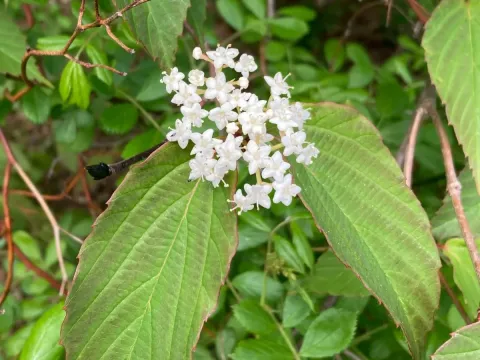
Bristle-stalk viburnum
Viburnum setigerum
Viburnum setigerum is typically propagated via seeds, softwood cuttings, or layering, with each method requiring specific attention to timing and environmental conditions.
What the section contains
Bristle-stalk viburnum
Seed propagation involves sowing fresh seeds in the autumn; however, they require a lengthy cold stratification period to break dormancy and ensure successful germination in spring.
When sowing in spring, artificial stratification of seeds in damp sand at temperatures between 1°C and 5°C for several months is necessary to stimulate the germination process.
Softwood cuttings are taken in mid-summer from healthy, vigorous shoots, then placed in a humid environment or a propagation frame to encourage root development.
Layering is an effective and simple method where low-growing branches are pinned to the soil surface; once rooted, the new plants can be separated from the parent shrub.
Belonging to the Adoxaceae family, this species is native to the mountain forests of China, thriving in temperate climates with moderate levels of seasonal rainfall.
The plant requires fertile, well-draining soil with a neutral to slightly acidic pH, and it performs best when protected from extreme, drying winds and harsh midday sun.
Although it is moderately hardy, young specimens require winter protection in colder regions to prevent frost damage to the roots and tender new growth.
Consistent moisture is vital during the establishment phase, yet the soil must not become waterlogged, as this can lead to root rot and other physiological issues.
Regular mulching with organic material, such as compost or wood chips, helps maintain soil moisture levels and suppress weeds around the base of the shrub.
Viburnum setigerum is primarily valued as an ornamental specimen, highly regarded for its prolific display of bright red, long-lasting berries that persist into autumn.
The shrub reaches heights of up to 3 meters, making it an excellent choice for hedge plantings or as a focal point in a mixed shrub border for year-round interest.
Spring blooms feature clusters of white flowers that provide early-season nectar for pollinators, enhancing the biodiversity of the garden environment.
The distinctive foliage, characterized by fine bristles on the leaves, offers a unique texture that differentiates it from more common Viburnum species.
In addition to its aesthetic appeal, the shrub serves as a habitat and food source for local bird populations, providing essential sustenance during the winter months.
Common pests include the viburnum leaf beetle and aphids, which can cause significant defoliation if left untreated during the active growing season.
Integrated pest management, including regular inspection and the application of systemic or contact insecticides, is recommended to keep pest populations under control.
Powdery mildew may occur in poorly ventilated areas with high humidity, emphasizing the need for proper spacing during planting to allow for adequate air circulation.
Pruning out dead, diseased, or crossing branches helps reduce the risk of fungal infections and promotes overall plant vigor throughout the growing year.
- Periodic monitoring for leaf damage.
- Proper pruning to ensure air flow.
- Use of organic fertilizers to improve soil health.
Harvesting the fruits, if intended for propagation or collection, should be done in late autumn once the berries have reached their full, deep red maturity.
Using appropriate tools such as sharp garden shears is crucial for harvesting to prevent tearing the branches and damaging the next year's potential fruiting buds.
Collected berries can be processed for various uses or stored in a cool, dry place to prevent rot before they are utilized for ornamental displays or research.
For those interested in seed saving, berries should be cleaned of their pulp immediately after harvest and stored in damp conditions to maintain their viability.
The harvest should be managed to balance the ornamental value of the shrub with the need for seed collection, ensuring that sufficient berries remain for birds.