
Blackhaw
Viburnum prunifolium
Description
Growing requirements
Blackhaw (Viburnum prunifolium) is a deciduous shrub or small tree native to the eastern and central United States, belonging to the Adoxaceae family. It is valued both as an ornamental plant and for its fruit production.
The plant is highly adaptable to various soil types, ranging from heavy clays to rocky loams, but it performs best in moist, well-drained, and slightly acidic to neutral soils. Its versatility makes it suitable for diverse agricultural landscapes.
In terms of climate, Blackhaw is notably hardy, capable of thriving in USDA zones 4 through 8. It prefers full sun to partial shade, showing a remarkable ability to withstand different light conditions while maintaining healthy growth.
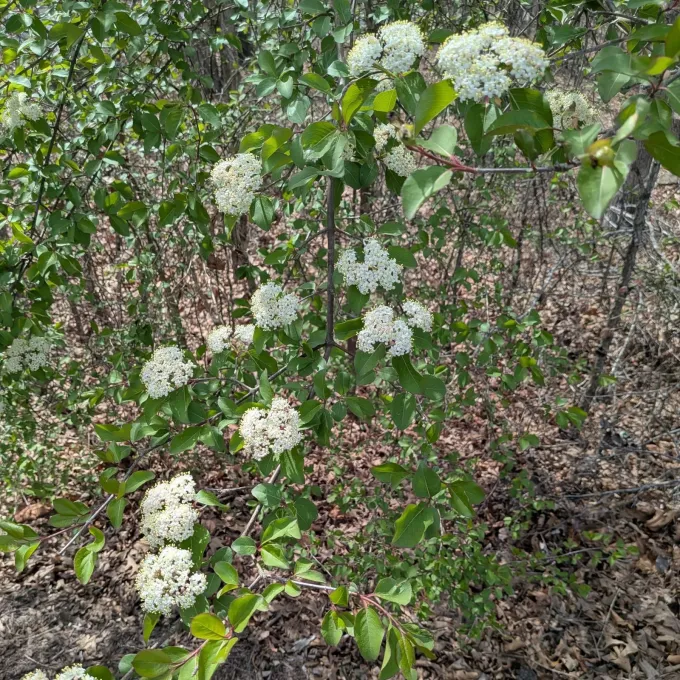
Botanically, it is recognized for its glossy, plum-like leaves and showy white flowers arranged in flat-topped cymes. During the autumn, the foliage typically turns a striking reddish-purple, adding to the plant's aesthetic value.
Standard agronomic practices include consistent moisture during the establishment phase and regular pruning to maintain a desirable shape or tree-like form, which enhances fruit accessibility and overall plant vigor.
Yield
Blackhaw has a significant history of use in both traditional medicine and the food industry. Its fruit, which matures into dark blue to black drupes, is a key product for producing jams, jellies, and preserves.
The bark of the plant is historically renowned for its medicinal properties, often utilized in herbal pharmacology. This creates an additional revenue stream for agricultural enterprises focusing on medicinal plant cultivation.
Beyond food and medicinal use, Blackhaw serves a vital function in soil stabilization. Its extensive root system helps prevent erosion, making it an excellent candidate for planting on slopes and stream banks.
It also plays a crucial role in supporting local ecosystems, providing nectar for pollinators and fruit for avian populations, which indirectly supports beneficial insect activity in agroforestry systems.
Yield stability is excellent once the plant is established. Proper spacing and sunlight exposure are the primary factors determining the density and quality of fruit clusters produced during the harvest season.
Main diseases and pests
The most common disease impacting Blackhaw is powdery mildew, which can develop during periods of high humidity. Improving airflow through structural pruning is the most effective cultural control method.
Viburnum beetle represents the primary insect threat, capable of causing extensive defoliation. Growers should implement scouting programs and target early larval stages with appropriate biological or chemical treatments.
Aphids can occasionally colonize young growth during spring, causing leaf curling and reduced vitality. Regular monitoring allows for early detection and localized treatment to avoid widespread damage to the plantation.
Fungal leaf spots may occur in poorly drained areas. Ensuring proper soil preparation and drainage before planting is the most effective long-term strategy to prevent these common pathogens.
Overall, Viburnum prunifolium is considered a robust species. With correct site selection and minimal preventive care, it requires fewer chemical interventions than many other fruit-bearing crops.
Harvesting
Harvesting Blackhaw fruit should occur in late summer or autumn when the berries reach a deep, dark blue color. It is essential to ensure they have fully matured to maximize their flavor profile.
Manual picking is recommended to preserve the integrity of the delicate drupes. The fruit can often be stripped from the stems by hand, but caution is necessary to avoid damaging the branches for the following season.
Once harvested, the berries should be processed or moved into cold storage immediately. Due to their high sugar and moisture content, they are susceptible to spoilage if exposed to heat.
For medicinal purposes, the bark is usually harvested from younger stems. This requires a sustainable harvesting approach, where only a portion of the bark is removed to allow the plant to regenerate without systemic harm.
Post-harvest handling involves sorting out debris and damaged berries to ensure the final product meets industrial quality standards for further processing into extracts or food ingredients.