
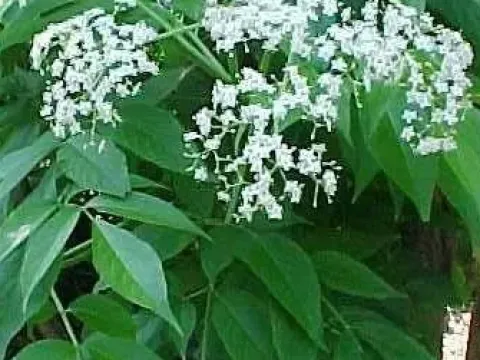
American red elderberry
Sambucus virginica
The American red elderberry (Sambucus virginica) belongs to the Adoxaceae family and is native to North America. It is a vigorous deciduous shrub widely recognized for its ecological adaptability and its clusters of bright red berries.
What the section contains
American red elderberry
The species prefers moist, well-drained soils rich in organic matter. While it is tolerant of various soil types, it performs best in sites with partial to full sunlight exposure. Adequate soil moisture is essential for vigorous growth, especially during the fruit development stage.
Agricultural management requires consistent pruning to maintain shape and promote air circulation. Pruning should be performed while the plant is dormant to stimulate the growth of new fruit-bearing wood for the following season.
The plant demonstrates significant hardiness and can thrive in various temperate climates. It is often utilized in riparian restoration projects due to its ability to prevent soil erosion while providing food sources for local wildlife.
When cultivated for fruit production, ensuring adequate spacing between plants is crucial to avoid overcrowding and to facilitate easier management during the harvesting season.
The primary pests affecting Sambucus virginica include aphids and eriophyid mites, which can cause leaf curling and reduce the overall photosynthetic capacity of the shrub.
Common diseases involve fungal infections like leaf spot and powdery mildew. These issues often arise in conditions of poor air circulation and high humidity levels around the foliage.
Integrated pest management strategies are recommended, focusing on maintaining plant vigor through proper nutrition and regular maintenance to minimize the need for chemical interventions.
Sanitation is a critical preventive measure; removing fallen leaves and infected branches helps to reduce the inoculum load of pathogens within the field environment.
Monitoring the plant for signs of infestation early in the spring allows for timely intervention before the pest populations reach a threshold that significantly impacts yield.
Harvesting usually occurs when the berries have reached their full red maturity. Unlike other elderberry species, these fruits are harvested specifically when they are deep red in color.
The fruits are harvested in large clusters by cutting the stems with shears. Mechanical harvesting is currently limited, so manual labor remains the standard for maintaining high-quality produce.
It is important to process the berries shortly after harvest. Heat treatment is essential for most culinary applications to break down compounds that may cause digestive discomfort when consumed raw.
The harvested product is versatile, used in the production of jellies, juices, and syrups that are popular for their unique tart flavor profile and nutritional profile.
Storage requires cool, dry conditions if immediate processing is not possible, as the berries are highly perishable and prone to rapid degradation at ambient temperatures.