
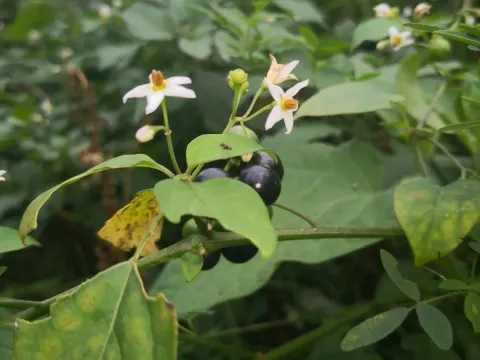
African nightshade
Solanum scabrum
African nightshade is a warm-season crop that thrives in tropical and subtropical climates. Seeds should be sown outdoors only after the risk of frost has passed and the soil has warmed sufficiently.
What the section contains
African nightshade
For colder regions, starting seeds in greenhouses or indoors is necessary. Sow seeds in a well-draining seed-starting mix about six to eight weeks before the last frost date.
Plant seeds at a depth of approximately 0.5 centimeters. Keep the growing medium consistently moist and maintain a temperature of 22–25 degrees Celsius to facilitate germination.
Transplanting should occur once the seedlings develop at least two sets of true leaves. Ensure they are hardened off gradually to acclimatize them to outdoor light and wind conditions.
Provide sufficient spacing between plants, usually 30 to 50 centimeters apart, to allow for optimal air circulation and development of the leafy canopy.
As a member of the Solanaceae family, this crop prefers sunny locations with fertile, well-draining soil rich in organic matter, such as compost or aged manure.
The plant is highly responsive to regular watering. Moisture stress can lead to bitter-tasting leaves and reduced foliage production, which is undesirable for a leafy vegetable.
Optimal growth occurs at temperatures ranging between 20 and 30 degrees Celsius. While it is hardy, it does not tolerate freezing temperatures and will die back in frost.
Soil pH should ideally be neutral or slightly acidic. Adjusting the soil chemistry before planting can significantly boost the plant's nutrient uptake capabilities.
Mulching around the base of the plant helps retain soil moisture and suppresses weed growth, which is essential for maintaining a healthy and productive crop throughout the season.
The yield of African nightshade is remarkably high when managed correctly. Through a system of continuous harvesting, one can obtain multiple cuttings over several months.
Encouraging lateral branching by pinching off the terminal buds helps the plant become bushier, which directly increases the total weight of the edible harvest.
Proper nutrient management, particularly nitrogen applications, is critical to maintaining high yields of fresh, tender leaves throughout the active growth period.
Under favorable conditions, a small garden plot can yield significant amounts of produce, making it an excellent candidate for intensive vegetable production systems.
Yields are maximized by ensuring the plant remains in a vegetative state for as long as possible, preventing early flower induction which diverts energy to seed development.
Common pests include aphids, spider mites, and flea beetles, which can cause significant damage to the leaf tissue if left unmanaged during the early growth stages.
Fungal diseases like leaf spot and blight can occur in environments with poor air movement or excessive humidity, requiring careful management of plant density.
Crop rotation is essential for disease prevention. Avoid planting Solanum scabrum in soil where other nightshades, such as potatoes or tomatoes, have been recently grown.
Utilizing integrated pest management strategies, including the use of neem oil or biological controls, is preferable to synthetic pesticides to ensure the leaves remain safe for consumption.
Maintaining a clean garden bed by removing weeds that may harbor pests or pathogens is a simple yet effective way to protect the crop from early infestation.
Harvesting usually begins when the plant reaches a height of 30 centimeters. Individual leaves can be picked, or the tender top shoots can be pruned for regular supply.
Using clean, sharp garden shears is important to ensure clean cuts, which minimizes the risk of infection and promotes rapid regrowth of the plant tissue.
Frequent harvesting every 7 to 14 days is recommended to keep the plant vigorous and to ensure that the produce collected is young, tender, and most flavorful.
After harvest, the leaves should be processed immediately or kept cool, as they are prone to wilting quickly once separated from the parent plant.
For short-term storage, place the greens in a breathable bag within the refrigerator vegetable crisper to maintain freshness and texture for up to three days.