
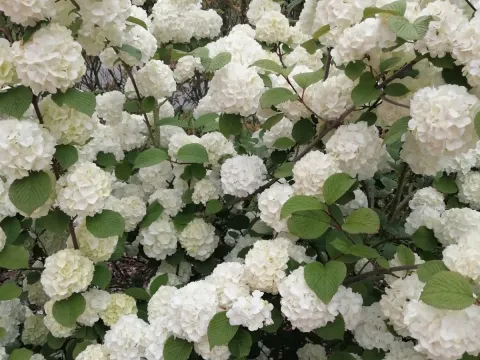
Chinese Snowball Viburnum
Viburnum macrocephalum
Chinese Snowball Viburnum, scientifically known as Viburnum macrocephalum, is a distinguished member of the Adoxaceae family, renowned for its massive, showy, sterile flower clusters.
What the section contains
Chinese Snowball Viburnum
Native to China, this ornamental shrub is highly prized in landscape architecture for its ability to produce snowball-like blooms that cover the entire plant during spring.
The species thrives in well-drained, fertile soil with a slightly acidic to neutral pH, requiring consistent moisture to maintain vigorous vegetative growth throughout the season.
It prefers full sun exposure to maximize flower production, though it can tolerate partial shade in hotter climates to prevent leaf scorch and excessive dehydration during peak summer.
Maintenance involves routine pruning after the flowering period to manage size and shape, alongside periodic soil enrichment with balanced organic fertilizers to sustain long-term health.
The primary pest concerns for Viburnum macrocephalum include aphids, which often congregate on young terminal growth, and the Viburnum leaf beetle, known for skeletonizing foliage.
Fungal pathogens such as powdery mildew represent a significant threat to plant vigor, particularly in stagnant, high-humidity environments where airflow is restricted.
Bacterial leaf spots can also occur, causing premature leaf drop and reducing the overall aesthetic value of the shrub if not managed promptly through sanitation practices.
Integrated Pest Management (IPM) strategies, including the use of horticultural oils and specific systemic insecticides, are recommended to mitigate damage from persistent insect populations.
Ensuring proper spacing between plants is essential to promote natural airflow, which significantly reduces the risk of fungal outbreaks and creates a more resilient growing environment.