
Cylindrical viburnum
Viburnum cylindricum
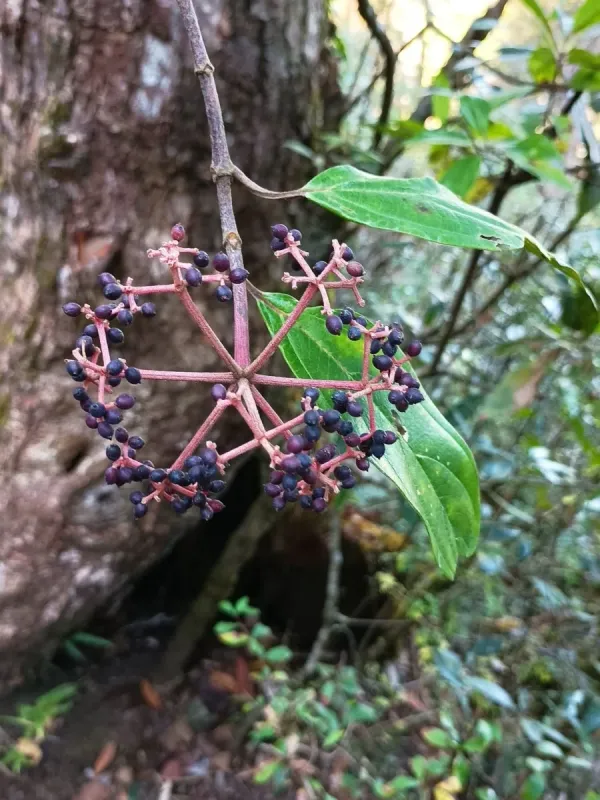
Description
Growing requirements
Cylindrical viburnum (Viburnum cylindricum) is an evergreen or semi-evergreen shrub belonging to the Adoxaceae family. Naturally, it is native to the mountainous regions of Asia, including the Himalayas, China, and Indochina, where it inhabits moist forest areas sheltered from strong winds.
To ensure successful growth, the crop requires well-drained, fertile soils with a neutral or slightly acidic pH level. The plant has moderate cold tolerance, so in temperate climates, it requires winter protection or must be grown as a container plant to shield it from temperatures falling below -10°C.
One of the key botanical features is the shape of its inflorescences and foliage. The leaves are dense, leathery, and elongated, often displaying a distinctive shine that gives the plant high ornamental value throughout the entire growing season.
Moisture requirements are high; the plant is extremely sensitive to prolonged drought. Semi-shaded areas are the optimal planting spots, as intense direct sunlight during hot summer months can cause severe burns on the leaf blades.
The economic use of this species is primarily ornamental. Due to its lush foliage and unique cylindrical inflorescences, cylindrical viburnum is widely used in landscape design for creating hedges, solitary specimens, or focal points in Oriental-style gardens.
Main diseases and pests
Typical pests for this species include aphids and scale insects, which attack young shoots during the active sap flow period. Regular inspection of the shrubs allows for the early detection of insect colonies, enabling the application of systemic insecticides.
Among fungal diseases, the most dangerous are powdery mildew and various leaf spot diseases, which develop under conditions of high humidity and poor air circulation within dense foliage. Prevention involves proper pruning to ensure sufficient airflow throughout the crown.