
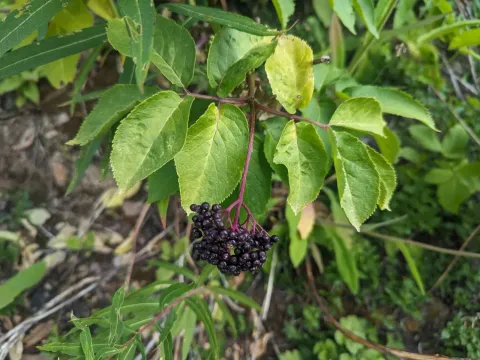
Black elderberry
Sambucus melanocarpa
Planting black elderberry is best performed during the dormant season, typically in early spring or late autumn. Choosing high-quality, disease-free nursery stock with a robust root system is the first step toward successful establishment.
What the section contains
Black elderberry
A structured planting design is essential for commercial yields. Recommended spacing ranges from 3 to 4 meters between rows and 2 to 3 meters within rows, allowing sufficient sunlight penetration and access for field machinery.
Prepare planting pits several weeks ahead by incorporating organic matter and essential nutrients into the soil. Ensuring the plant is set at the same depth as it was in the nursery container is crucial for immediate root development.
Immediate irrigation following planting is necessary to eliminate air pockets around the root ball. Consistent moisture levels during the first growing season significantly improve survival rates and early vigor of the young plants.
Propagation is commonly achieved through hardwood cuttings or root suckers. While seeds can be used, they require stratification to break dormancy, making vegetative propagation the preferred method for maintaining varietal consistency.
Black elderberry is a member of the Adoxaceae family known for its wide environmental adaptability. It thrives in full sun but maintains reasonable growth under partial shade, providing flexibility for different landscape designs.
The ideal soil for this crop is a fertile, well-draining loam. While the plant can tolerate various soil textures, it is highly sensitive to waterlogging, which necessitates careful site selection or the installation of drainage systems.
Soil pH levels should ideally range between 5.5 and 6.5. Regular monitoring and amendment with organic compost are recommended to maintain soil structure and fertility levels conducive to high fruit production.
The species demonstrates excellent hardiness against fluctuating temperatures, making it suitable for temperate regions. Adequate moisture levels are required during the peak summer months to ensure fruit sizing and plant health.
Routine pruning is vital to rejuvenate the crop and manage the plant structure. By removing older, unproductive wood annually, growers stimulate new cane growth, which is where the most productive flower clusters emerge.
Yield potential is heavily influenced by the age of the plantation and the implementation of sound agricultural practices. Mature plants typically reach full production capacity between their fifth and tenth years of life.
Efficient orchard management, including weed suppression and strategic pruning, is essential to maximize fruit quantity and quality. Poorly managed plants often suffer from reduced vigor and lower berry density.
Elderberries are valued for their high concentrations of anthocyanins, making them a significant raw material for food, pharmaceutical, and coloring industries. Global demand for these bioactive compounds continues to drive commercial interest.
Harvesting is labor-intensive as berries within clusters ripen unevenly. Strategic monitoring of fruit color and sugar content helps determine the precise window for picking, ensuring optimal quality for processing facilities.
To sustain yield over the long term, growers should manage the plantation's renewal cycle. Replacing old canes with new, healthy shoots every few years ensures consistent output and simplifies the harvesting process.
The primary pests affecting elderberry crops include aphids and spider mites, which can cause significant stress to young foliage. Integrated pest management strategies, focusing on early detection, are necessary for control.
Fungal pathogens such as powdery mildew may develop, particularly in regions with high humidity or poor air circulation. Proper spacing and canopy management remain the most effective preventive measures against these infections.
Soil-borne diseases and root rots are major concerns in poorly drained sites. Careful water management and avoiding the accumulation of standing water around the root zone are fundamental for plant survival.
Birds are a major challenge during the harvest window as they can quickly deplete a significant portion of the yield. Protective netting is often the most practical solution for preserving the crop until harvest.
A balanced approach to chemical and biological controls is recommended for sustainable production. Minimizing the impact on beneficial insects while effectively targeting major pests is a core objective for modern elderberry growers.
Harvesting should occur when berries reach deep black coloration, indicating full maturity. The entire cluster (cyme) is clipped from the stem, which helps protect the delicate fruit from crushing and preserves freshness.
Post-harvest handling is critical, as elderberries are highly perishable. Rapid cooling and transport to processing facilities are required to prevent degradation and maintain the berry's complex nutritional profile.
Freezing is the industry-standard method for preserving harvest quality. Once berries are frozen, they are easier to de-stem and can be processed into juices, concentrates, or powders during the off-season.
Stringent sorting protocols are required to remove unripe fruit, debris, and stems from the final product. Even small amounts of extraneous material can affect the flavor and quality of the final processed product.
Effective scheduling of the harvest is essential to capture the fruit at peak sugar levels. Delays can lead to berry drop and over-ripening, which can significantly reduce the marketable yield for commercial producers.