
American cranberrybush
Viburnum trilobum
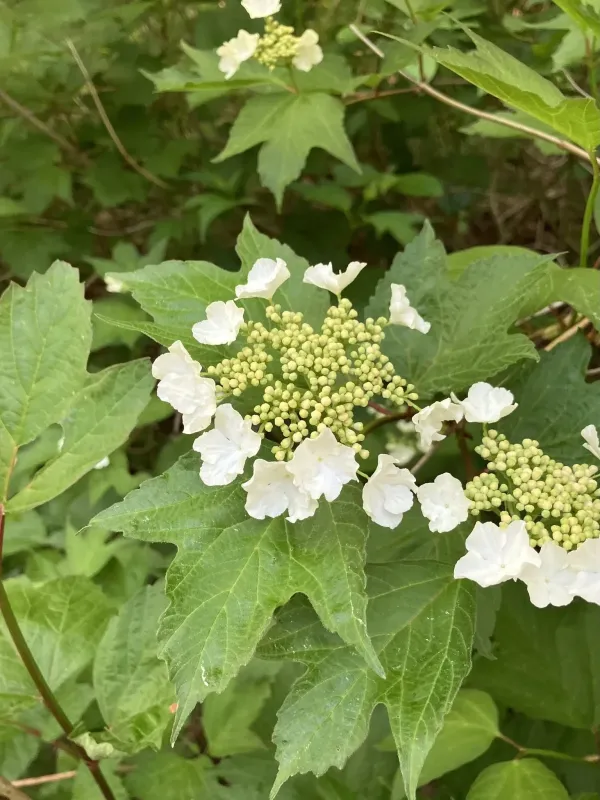
Description
Sowing dates
Propagation of the American cranberrybush is primarily achieved through vegetative methods such as softwood cuttings or layering, as seed propagation requires lengthy stratification. Spring is the preferred time for planting young shrubs, ensuring they establish roots before the heat of summer.
When selecting a planting site, choose an area with well-drained soil and adequate sun exposure. Proper spacing, generally 2.5 to 3 meters apart, is critical to prevent overcrowding and to promote air circulation within the shrub canopy.
Soil preparation should include adding organic matter to improve fertility and moisture retention. Young plants require consistent watering during their first growing season to ensure deep root development and successful establishment.
After planting, applying a layer of organic mulch around the base of the shrub is recommended. This practice helps stabilize soil temperature, retains moisture, and suppresses the growth of competitive weeds.
Regular monitoring of young plants is essential during the early stages of growth. Proper maintenance, including light pruning, during the initial years sets the foundation for a healthy and productive shrub throughout its lifespan.
Growing requirements
The American cranberrybush belongs to the Adoxaceae family and is a resilient deciduous shrub native to North America. It is well-adapted to cooler climates and exhibits impressive winter hardiness, surviving harsh cold conditions.
The shrub thrives in moist, fertile, loamy soils with a neutral to slightly acidic pH. While it is adaptable, it performs best in well-drained environments and should be protected from excessive waterlogged soil conditions.
This crop is highly valued for its aesthetic appeal, featuring beautiful white flower clusters in the spring and vibrant red berries in the fall. It requires adequate sunlight to ensure optimal fruit production and foliage health.
Maintenance involves providing appropriate nutrients to support both vegetative growth and berry production. Fertilizer application should be carefully managed to avoid excessive foliage growth that could compromise structural integrity.
Routine pruning is necessary to remove dead or diseased wood and to maintain a manageable shape. Thinning out the center of the shrub improves light penetration, which directly influences the overall health and yield of the plant.
Yield
American cranberrybush is known for its reliable production of bright red, edible drupes. A mature, healthy bush can yield significant quantities of fruit, which are particularly valued for their high vitamin C content.
The berries are less bitter than those of the related Viburnum opulus, making them highly suitable for jams, jellies, and sauces. They are a valuable commodity for food processors looking for high-quality, natural ingredients.
Productivity usually peaks when the shrub is between 10 and 20 years old. Consistent care and effective pest management are key factors in maintaining high yields over these productive years.
Commercial harvesting is feasible because the berries grow in clusters, making them easier to pick. The fruit's durability during transport allows for efficient distribution to markets and processing facilities.
Beyond its agricultural value, the shrub is widely used in landscape design due to its seasonal interest, providing both fruit and beautiful foliage throughout the year.
Main diseases and pests
The viburnum leaf beetle is the most significant pest for this species, capable of defoliating the plant if left unchecked. Integrated pest management, including regular inspection and timely removal of infested foliage, is highly recommended.
Aphids can also pose a threat by colonizing new growth, leading to curled leaves and stunted shoots. Keeping the shrubs healthy and monitoring for early signs of infestation can help prevent large-scale outbreaks.
Fungal diseases, such as powdery mildew or leaf spots, may occur in humid environments or if the shrub is too dense. Proper spacing and airflow are the best preventative measures against these issues.
Small mammals, such as rabbits, may damage the bark of young shrubs during winter months. Using wire guards or protective wraps is an effective way to prevent this type of mechanical damage to the main stems.
- Regular inspection for early signs of leaf beetle larvae.
- Sanitary pruning to remove infected or diseased branches.
- Keeping the area clear of debris to reduce pest habitats.
Harvesting
The optimal time for harvest occurs in late autumn, typically after the first frost, which helps reduce the natural bitterness of the berries and enhances their flavor profile.
Berries should be harvested in clusters to maintain fruit integrity during storage. Careful handling during this process ensures that the fruit remains fresh and minimizes bruising.
Post-harvest, the fruit should be cleaned and sorted immediately to remove debris. Storing the berries in cool, well-ventilated containers is essential to prevent rapid spoilage before processing.
Quick freezing is an excellent preservation method, as it locks in the nutritional value and flavor of the fruit, making it available for year-round production of jams and other products.
Efficient sorting and cleaning procedures are necessary to ensure the final product meets high quality standards for consumer use, ultimately enhancing the profitability of the crop.