
Bureja viburnum
Viburnum burejaeticum
Description
Growing requirements
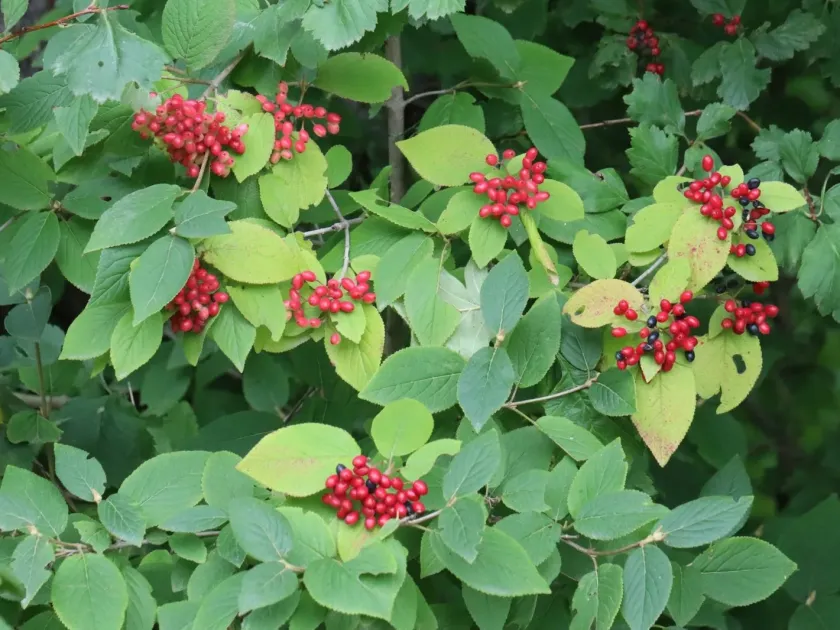
Bureja viburnum (Viburnum burejaeticum) is a deciduous shrub belonging to the Adoxaceae family. It is native to the forests of the Russian Far East, Korea, and Northeast China, typically found in temperate humid zones.
The plant is highly valued for its extreme winter hardiness, allowing it to survive in regions with very low temperatures. It requires sufficient light to maintain optimal growth, though it is quite tolerant of partial shade in forest-edge conditions.
The ideal soil for this species is a nutrient-rich, moist loam. It is sensitive to soil moisture fluctuations and performs best when the root zone remains consistently damp but not waterlogged.
Cultivation practices include regular organic mulching to preserve moisture and suppress weeds. Pruning should be performed in early spring to remove dead wood and encourage vigorous new branch development.
This shrub serves both ornamental and utilitarian purposes. It is often utilized in landscape design for its early flowering and vibrant foliage, while its fruits are used for various culinary preparations.
Main diseases and pests
The viburnum leaf beetle is the most significant pest, as its larvae feed on the leaves, which can lead to complete defoliation if left uncontrolled during the growing season.
Aphid infestations are common in the spring, primarily targeting young shoot tips and foliage. This pest pressure often results in stunted growth and the spread of viral diseases.
Fungal pathogens such as powdery mildew and various leaf spot diseases are prevalent during periods of excessive humidity and poor air ventilation within the canopy.
To mitigate these threats, gardeners should employ integrated pest management strategies, including the use of horticultural oils and targeted biological insecticides.
Maintaining clear airflow around the shrub and removing fallen debris under the canopy are essential sanitation practices that help prevent the overwintering of pests and diseases.