
Blue-fruited viburnum
Viburnum atrocyaneum
Description
Growing requirements
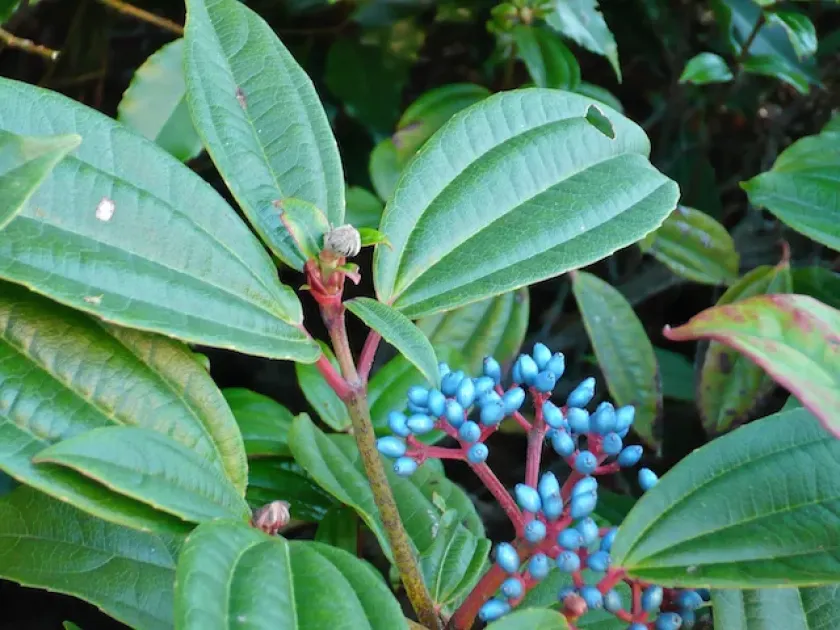
Blue-fruited viburnum (Viburnum atrocyaneum) is a distinct species within the Adoxaceae family, native to the high-altitude regions of Asia. Unlike more common species, this shrub is characterized by its unique blue berries and specific ecological preferences that make it an interesting specimen for temperate gardens.
The cultivation of this shrub requires rich, well-draining soil with a slightly acidic pH level. It thrives in partially shaded environments, mimicking its natural habitat on the edges of mountain forests where the humidity levels remain consistently high throughout the growing season.
Temperature regulation is vital for the health of this plant, as it prefers cool, stable environments. Excessive heat combined with low humidity can cause severe stress to the foliage, necessitating regular mulching to keep the root system cool and retain essential moisture.
Agrotechnical practices involve providing balanced fertilizers in early spring to support the initial growth phase. Additionally, annual pruning is essential to maintain an open canopy structure, which improves air circulation and helps in the prevention of various fungal diseases.
The хозяйственное (economic) potential of Viburnum atrocyaneum is mainly focused on ornamental gardening and botanical research. Its unique fruit color and evergreen or semi-evergreen foliage provide high aesthetic value in landscape design, especially in cool climate zones.
Main diseases and pests
The primary threats to the species include fungal infections such as powdery mildew, which thrive in stagnant, humid air conditions. Ensuring that the site has good drainage and adequate sunlight filtration is the best preventative strategy against these common pathogens.
Pests such as aphids and leaf-eating beetles can compromise the plant's health during the spring flush of growth. Regular monitoring of the underside of the leaves is recommended, as these areas are frequently targeted by common garden insects during the initial stages of infestation.
Root rot caused by poor soil aeration and water stagnation is a serious risk that can lead to rapid plant decline. Proper site preparation, including the incorporation of organic matter and gravel for drainage, is essential for long-term survival in garden settings.
Environmental stressors, such as late spring frosts, may damage tender young shoots. Applying protective covers during extreme temperature drops can mitigate this risk, helping the plant to maintain its vigor and avoid unnecessary physiological stress.
Integrated pest management, combining physical barriers and mild biological treatments, is the preferred method for managing plant health. By maintaining a clean environment and healthy soil, gardeners can reduce the need for synthetic chemicals and protect local biodiversity.