
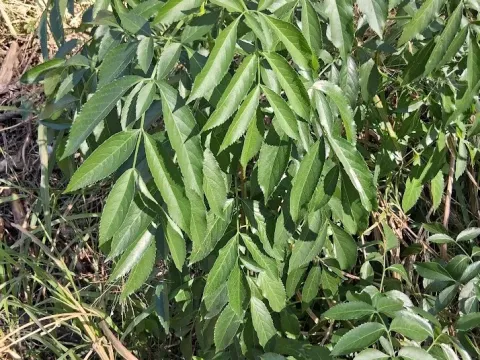
Elderberry
Sambucus L.
Elderberry (genus Sambucus L.) belongs to the Adoxaceae family. It is a deciduous shrub or small tree widely cultivated for its edible berries and medicinal properties, found in temperate and subtropical regions of the Northern Hemisphere.
What the section contains


Elderberry
Propagation is primarily performed through vegetative methods, such as hardwood or softwood cuttings. Planting is best undertaken in early spring, before bud break, or in late autumn during dormancy, ensuring the root system can establish itself before the heat of summer.
For commercial orchards, selection of an appropriate site is crucial. Elderberries thrive in well-drained, fertile, loamy soils with a pH ranging from 5.5 to 7.0. While they are adaptable, choosing a site with full sun exposure maximizes fruit production and plant vigor.
Spacing is a vital consideration for farm layout. Standard spacing is approximately 2.5 to 3 meters between plants to ensure adequate air circulation and access for machinery. Proper layout minimizes the risk of fungal outbreaks by preventing canopy overcrowding.
Before establishing a plantation, the soil must be prepared by removing perennial weeds. Adding organic matter, such as compost or well-rotted manure, improves soil structure and nutrient availability, setting the foundation for long-term health and productivity.
##requirements##Elderberries require consistent moisture, especially during the fruit-set and development phases. While they can tolerate occasional wet soils, stagnant water should be avoided, and supplementary irrigation during dry periods is highly recommended for optimal yields.
Routine maintenance includes annual pruning, which is essential to manage the plant's growth and stimulate fruit-bearing wood. Pruning should be conducted in late winter to remove dead or diseased stems and to keep the canopy open and productive.
Fertilization regimes depend on soil analysis. Nitrogen-rich fertilizers are beneficial in early spring to support vegetative growth, whereas potassium and phosphorus applications in the autumn prepare the plant for winter dormancy and promote healthy root systems.
Weed control is critical during the first few years. Using organic mulch around the base of the plants helps retain moisture, suppresses weeds, and adds organic matter to the soil over time, reducing the need for chemical interventions.
Managing the plant's health requires regular monitoring for nutrient deficiencies. Foliar sprays or soil amendments can address micro-nutrient shortages, ensuring the leaves maintain high photosynthetic capacity throughout the growing season.
Elderberry cultivation is focused on two main products: flowers and berries. Yields depend heavily on the variety, site conditions, and management. A mature, well-tended shrub can produce between 5 to 10 kilograms of fruit per season.
Production begins at approximately 3 to 4 years of age. A healthy elderberry plantation can remain productive for 15 to 20 years. Consistent yields require a long-term strategy involving periodic replacement of older, less productive shrubs.
The berries have extensive industrial applications, including the production of juices, extracts, syrups, and natural food colorings. The high concentration of anthocyanins and vitamin C makes them a sought-after commodity in the wellness and nutraceutical markets.
Flowers are harvested during peak bloom for use in cordials, teas, and cosmetics. Drying must be handled carefully to preserve volatile aromatic compounds, which are responsible for the distinct, delicate scent and flavor profile of elderflower products.
Global demand for functional foods and natural health products continues to drive interest in elderberry as a profitable commercial crop, encouraging farmers to invest in professional processing technologies to preserve the quality of the raw material.
Elderberry is generally robust but can be susceptible to aphids, particularly the elderberry aphid. Heavy infestations can stunt growth and transmit viruses, necessitating early-season monitoring and the use of targeted insecticides where permitted.
Fungal diseases like powdery mildew can occur in humid, stagnant conditions. Promoting air circulation through proper spacing and pruning significantly reduces the pressure from these pathogens, minimizing the need for chemical fungicides.
Spider mites can become a problem in hot, dry weather. If left unchecked, they can cause premature leaf drop and reduce the overall vigor of the shrub. Early detection and the use of insecticidal soaps or miticides are standard management practices.
Verticillium wilt is a more severe issue that can affect older plants. Preventive measures include ensuring good soil drainage and avoiding planting in areas previously used for susceptible crops like potatoes or tomatoes to reduce pathogen load.
- Sanitation: Remove and burn diseased plant material immediately.
- Monitoring: Conduct weekly inspections for signs of pests.
- Diversity: Encourage beneficial insects like ladybugs to control aphid populations naturally.
Harvesting is primarily done by hand due to the delicate nature of the fruit. Growers typically cut whole cymes (flower clusters) once the berries are uniformly dark, as individual berry picking is inefficient and damages the crop.
Post-harvest handling is critical because elderberries have a short shelf life. They should be processed, frozen, or refrigerated immediately after harvest to prevent oxidation, fermentation, and rapid degradation of nutritional quality.
Safety is a priority: raw elderberries contain compounds that can cause digestive upset in some individuals. Thermal processing is a standard requirement for industrial manufacturing to ensure the safety and palatability of the final product.
Mechanical harvesting equipment, such as destemming separators, is increasingly used on larger farms to improve throughput. These machines efficiently remove the berries from the stalks, which contain unwanted tannins and chlorophyll that can affect product flavor.
Developing a reliable supply chain from the field to the processor is key for success. As the market for elderberry products grows, producers are increasingly focusing on standardized quality protocols to meet international industry requirements.