
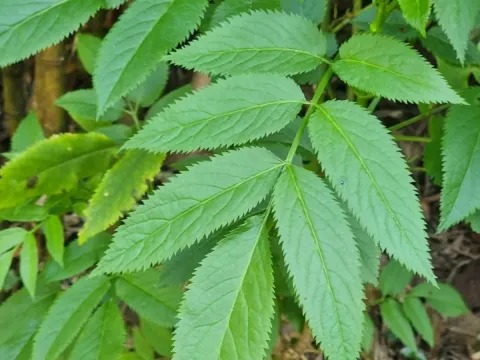
Madeira elder
Sambucus lanceolata
Madeira elder (Sambucus lanceolata) is a shrubby plant belonging to the Adoxaceae family. It is an endemic species native to the archipelago of Madeira, where it occupies specific ecological niches in subtropical forest ecosystems.
What the section contains
Madeira elder
The plant thrives in regions with high atmospheric humidity and mild temperatures. It requires a temperate climate to reach its full vegetative potential, often growing in sheltered areas that are protected from severe, desiccating winds.
Regarding soil, the species prefers well-drained, nutrient-rich soils that maintain moisture without becoming waterlogged. High organic matter content significantly improves its growth rate and overall health in managed environments.
For cultivation purposes, spacing is essential to ensure adequate airflow between plants. This cultural practice helps in mimicking the natural density of forest edge ecosystems where this species typically competes and thrives.
Maintenance routines involve regular weeding around the base of young shrubs and the application of balanced mulch to regulate soil temperature. Pruning should be performed during the dormant season to remove dead wood and encourage vigorous spring growth.
Fungal pathogens represent the most significant threat to the health of Sambucus lanceolata, especially in humid and stagnant air conditions. Powdery mildew can cause significant aesthetic and physiological damage if not addressed.
Pests such as aphids and spider mites are common concerns for growers. These organisms target the tender young foliage and buds, leading to stunted growth and potentially transmitting viral diseases to the shrub.
Root rot, often caused by poor drainage or overwatering, is a critical issue that can lead to rapid decline. Ensuring the planting site has excellent percolation is the primary defense against such soil-borne threats.
Monitoring for signs of leaf spot is essential during the rainy season. Early detection of necrotic lesions allows for immediate intervention, preventing the spread of spores to healthy plant tissues.
An integrated pest management (IPM) approach is recommended to sustain the health of the crop. This involves monitoring population thresholds before applying any chemical treatments, prioritizing the safety of the local ecosystem.