
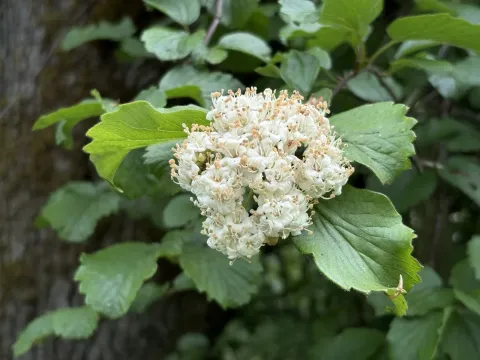
Oval-leaf viburnum
Viburnum ellipticum
Oval-leaf viburnum (Viburnum ellipticum) is a deciduous shrub native to the western regions of North America, belonging to the Adoxaceae family and known for its distinct elliptical foliage.
What the section contains
Oval-leaf viburnum
This shrub is typically found in diverse ecosystems, ranging from open woodlands to rocky slopes, which demonstrates its remarkable resilience and adaptability to varying soil types and light conditions.
For agricultural and landscaping purposes, it thrives best in well-drained, nutrient-rich soils that maintain moisture levels without becoming waterlogged, as poor drainage is a primary growth inhibitor.
The plant requires a temperate climate with consistent seasonal shifts to stimulate its natural dormant cycle, although it is hardy enough to withstand moderate fluctuations in ambient temperature.
Cultivation involves proper site selection to maximize its ornamental value, whether used for hedging, forest edge restoration, or as a structural element in native plant landscape designs.
The primary threats to this species include fungal leaf spots and powdery mildew, which often flourish in environments with high humidity and stagnant air circulation around the shrub's foliage.
Insect pests such as aphids and leaf-eating beetles frequently target the new growth, potentially causing cosmetic damage or stunted development if left unmanaged during the peak spring season.
Implementing a comprehensive pest control program is essential, focusing on monitoring for early signs of infestation and utilizing targeted treatments to preserve the plant's health and vigor.
Proper pruning techniques, including thinning out dense sections of the shrub, are crucial for promoting airflow, which effectively reduces the risk of pathogens establishing themselves on the leaves.
Maintaining a healthy environment through sanitation and appropriate fertilization levels helps the plant resist secondary infections and ensures long-term survival in varied landscape settings.