
Lobed-leaf viburnum
Viburnum lobophyllum
Description
Sowing dates
Viburnum lobophyllum is typically propagated through vegetative methods, with stem cuttings or layering being the most reliable techniques for gardeners.
Propagation by seeds is possible but requires a long stratification period, making it a less popular method for commercial or home cultivation purposes.
When planting, ensure enough space is provided between shrubs, ideally at least 2 to 3 meters, to accommodate the growth of the canopy as the plant matures.
Preparation of the planting site should include enriching the soil with organic matter, such as compost or well-rotted manure, to boost early growth.
The best time to transplant young shrubs is during the dormant season, either early spring or late autumn, to reduce transplant shock for the root system.
Growing requirements
As a member of the Adoxaceae family, Viburnum lobophyllum thrives in areas with full sun or partial shade, adapting well to various garden conditions.
The shrub prefers deep, fertile, and well-drained soils, showing a preference for slightly acidic to neutral soil pH levels for optimal nutrient absorption.
This species is known for its hardiness, capable of surviving cold winters without requiring specialized protection, which makes it suitable for diverse climates.
Routine maintenance includes structural pruning to remove dead or diseased branches, which helps keep the plant in good shape and promotes better air circulation.
While relatively resilient, the plant benefits from regular watering during extended dry periods to prevent moisture stress and ensure vigorous growth throughout the season.
Yield
The plant begins to bear fruit typically around the 4th to 5th year after planting, with fruit production increasing significantly as the shrub reaches maturity.
The berries are valued for their health benefits, containing a variety of vitamins and antioxidants, and are often utilized in traditional food and wellness practices.
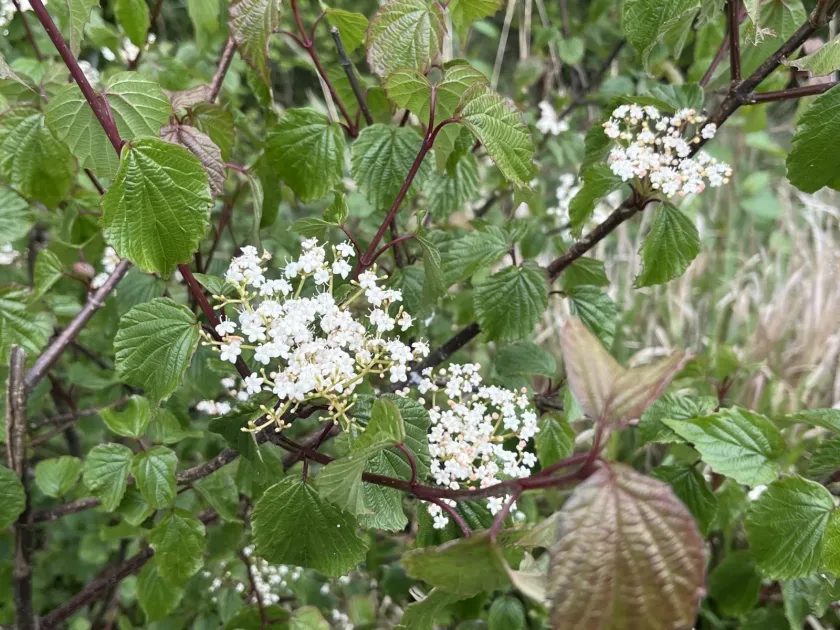
Beyond its culinary utility, Viburnum lobophyllum is highly regarded for its aesthetic appeal, featuring attractive foliage and white blossoms that attract pollinators.
With proper care and environmental conditions, this plant remains productive and decorative for many years, making it a long-term asset to any landscape project.
The dense habit of the shrub allows it to serve as a functional windbreak or a decorative hedge, offering both privacy and visual beauty to garden areas.
Main diseases and pests
The most common pests affecting this shrub include aphids and viburnum leaf beetles, which can cause significant damage to the leaf tissue if left untreated.
Fungal diseases like powdery mildew can emerge in humid and crowded conditions, necessitating regular monitoring and appropriate fungicidal intervention if needed.
Integrated pest management strategies are recommended, focusing on maintaining plant vigor to naturally reduce the susceptibility of the shrub to infestations.
Sanitation practices, such as clearing debris from around the base of the plant in autumn, are crucial for reducing the overwintering sites of common garden pests.
Early detection of signs such as discolored leaves or stunted growth is vital for taking prompt action to mitigate the spread of potential diseases or pests.
Harvesting
The harvest season for Viburnum lobophyllum berries usually takes place in late autumn, once the fruits have developed their signature intense color.
For the best results, berries should be harvested in clusters using clean, sharp secateurs to avoid causing mechanical damage to the branches of the shrub.
Post-harvest, the berries can be preserved by freezing or drying, which helps maintain their nutrient content and flavor profile for culinary applications.
Many experienced growers prefer harvesting after the first light frosts, as these cold spells help mellow the natural bitterness found in the raw fruit.
Storage should be handled in cool, well-ventilated conditions to ensure the quality of the harvested produce is preserved until it is processed for use.