
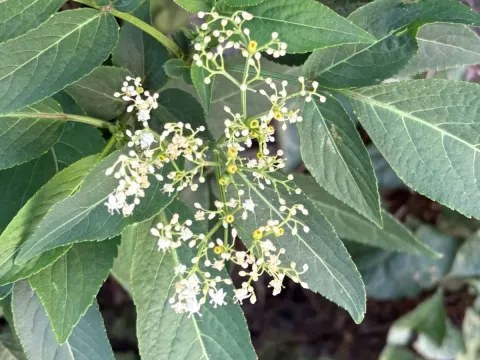
Javanese elder
Sambucus javanica
Javanese elder (Sambucus javanica) is a perennial shrub or herb-like plant belonging to the Adoxaceae family. Unlike common European elder species, this plant is characterized by its distinct growth habit, often reaching significant heights with robust herbaceous stems.
What the section contains
Javanese elder
This species is native to East and Southeast Asia, including countries like China, Japan, and the Philippines. It typically thrives in regions with humid climates, often found in mountain forest clearings and along riverbanks where the soil is rich in organic matter.
The plant requires well-drained, fertile soil with a slightly acidic to neutral pH. It is highly sensitive to waterlogging, so soil aeration is essential for optimal root system development and overall plant vitality.
Javanese elder prefers partial shade or dappled sunlight rather than intense direct sun. High air humidity is beneficial for the development of its lush foliage, making it a perfect candidate for sheltered garden spots or areas near water bodies.
In terms of temperature, the plant is not fully frost-hardy. While the root system can survive in milder climates, the aerial parts are often sensitive to severe cold, requiring protective mulching or coverage to ensure survival and successful regrowth in the spring.
The primary economic use of Javanese elder is in the pharmaceutical industry. Various parts of the plant, including roots, stems, and leaves, are harvested for their anti-inflammatory and diuretic properties, frequently used in traditional medicine.
Yields are maximized by adopting a rigorous pruning schedule. By cutting back old stems, growers encourage the production of vigorous new shoots, which possess higher concentrations of active therapeutic compounds.
Berries from the Javanese elder are also collected for their medicinal value. They are processed into extracts and tonics. The harvest timing is critical; berries must be collected only when they reach full maturity, indicated by a deep purple-black coloration.
Regular irrigation is vital for sustaining high yields, especially during the active growth phase in summer. Even a short period of drought can cause wilting and significantly reduce the quality of the harvested medicinal raw material.
Professional agronomic practices include the application of balanced fertilizers to support vegetative growth. This ensures that the plants remain productive for multiple seasons, even when harvested intensely for herbal extracts.
Aphids are the most common pests that affect the Javanese elder, particularly targeting young, succulent shoot tips and developing flowers. If left uncontrolled, they can cause significant stunting and deformities in plant growth.
Powdery mildew is a frequent disease observed in dense plantings or areas with poor air circulation. The white, powdery fungal growth inhibits leaf function and can lead to early senescence of the foliage.
Maintaining proper spacing between individual plants is a key strategy to prevent the spread of fungal pathogens. Thinning the canopy regularly allows for better light penetration and airflow, which discourages the growth of spores.
For medicinal crops, pest control must focus on integrated management, avoiding harsh synthetic chemicals. Biological controls, such as introducing predatory insects or using neem-based products, are preferred to ensure the safety of the end-product.
Early identification of pest infestations is crucial for effective management. Weekly inspections of the lower leaf surfaces and terminal buds can help detect issues early, preventing the need for extensive intervention.