
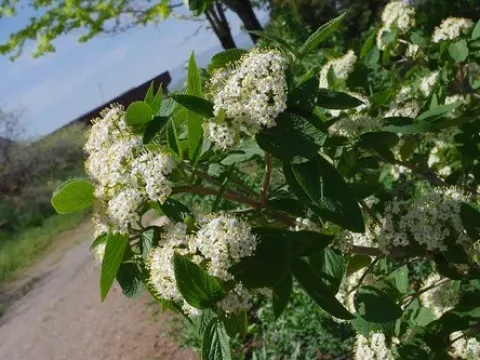
Mongolian viburnum
Viburnum mongolicum
Mongolian viburnum (Viburnum mongolicum) is a distinct species within the Adoxaceae family, naturally occurring in the mountainous landscapes of Mongolia and China.
What the section contains
Mongolian viburnum
This shrub is highly valued for its robust hardiness, making it an excellent choice for cold climates where other less resilient species might fail to survive winters.
The plant requires well-drained, nutrient-rich soil to thrive, performing best in conditions that mirror its natural alpine or high-latitude native environments.
Optimal light exposure is essential for the healthy development of this shrub, although it can adapt to partial shade in hotter, more arid growing regions.
Successful cultivation requires proactive management, including yearly soil amendments and strategic pruning to maintain airflow through the dense structure of the plant.
The main threats to Viburnum mongolicum include fungal infections like powdery mildew, which can significantly hinder the photosynthetic capacity of the leaves.
Insect pests, particularly viburnum beetle and aphids, pose a considerable risk to the foliage and new growth during the primary growing season in spring and early summer.
To manage these threats, gardeners should implement an integrated pest management strategy that emphasizes preventative sanitation and the use of targeted control measures.
Ensuring the plant is not overcrowded helps minimize humidity build-up, which is a primary trigger for the rapid spread of fungal spores among healthy foliage.
Routine inspections are critical; identifying the presence of early-stage pest infestations allows for effective treatment before they cause structural damage to the shrub.