
Peruvian elderberry
Sambucus peruviana
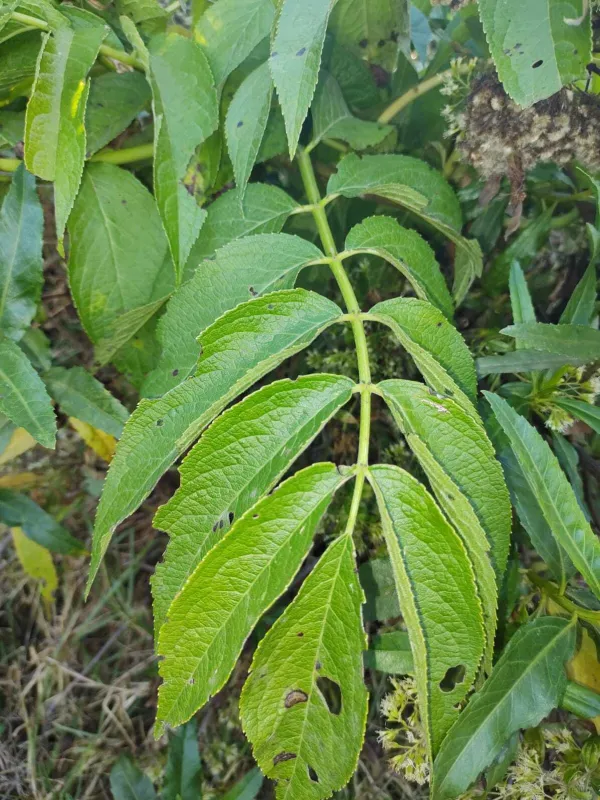
Description
Growing requirements
The Peruvian elderberry (Sambucus peruviana) is a perennial woody plant species belonging to the Adoxaceae family. In its natural environment, it exists as an evergreen or semi-deciduous tree or shrub, reaching heights of up to 10 meters under favorable ecological conditions.
Native to the high-altitude Andean regions of South America, this plant is widespread across Colombia, Ecuador, Peru, Bolivia, and Argentina. It has adapted to the cooler, mountainous climates found at elevations between 2000 and 3500 meters above sea level, making it a robust species.
The crop thrives in deep, fertile, and well-drained soils with a neutral to slightly acidic pH. While it appreciates high levels of solar radiation, the plant exhibits a degree of tolerance to partial shade during its juvenile stages, which is a vital factor for orchard planning.
Ideal conditions include a moderately humid climate without extreme thermal fluctuations. Although the Peruvian elderberry is cold-hardy, severe frosts can cause significant damage to young shoots and reproductive tissues, directly impacting the seasonal crop volume.
Agrotechnical management requires consistent pruning to shape the canopy and facilitate light penetration. Organic fertilization applied early in the spring provides the necessary nutrients for sustained vegetative growth and high-quality fruit production throughout the season.
Yield
The culinary use of the Peruvian elderberry is extensive, as its fruits are valued for their high concentrations of vitamins, minerals, and anthocyanins. They are processed into juices, jams, wines, and natural food colorants, catering to a growing demand for healthy, antioxidant-rich products.
In traditional medicine, the plant is highly esteemed for its diaphoretic, anti-inflammatory, and tonic properties. Flowers and bark are frequently used to prepare infusions that aid in the treatment of respiratory infections and seasonal colds, reflecting the plant's ethnomedicinal heritage.
The timber of the Peruvian elderberry serves a functional purpose in agricultural communities. Due to its density and durability, it is frequently utilized for manufacturing manual tools, handles, and small domestic implements, contributing to the plant's multifaceted economic role.
In terms of agricultural ecosystem services, the plant is often integrated into windbreaks and soil conservation projects. It plays a significant role in reducing soil erosion on steep slopes and provides a favorable microclimate for diverse species within agroforestry systems.
Yield efficiency is highly dependent on effective crop management and tree maturity. With consistent maintenance and proper harvest timing, a single mature specimen can provide stable, reliable yields for several decades, establishing it as a long-term asset for sustainable agricultural enterprises.
Main diseases and pests
Aphids and various mite species represent the primary pests for the Peruvian elderberry, as they often target succulent shoots and flower clusters. Effective management relies on regular monitoring and the application of biological control agents or soft insecticides to minimize environmental impact.
Fungal pathogens such as powdery mildew and leaf spot are common risks, particularly in conditions with stagnant air or excessive ambient humidity. Preventive pruning to improve canopy airflow is considered the most effective way to inhibit the spread of fungal spores in the orchard.
Root rot is a critical threat typically associated with poor drainage or over-irrigation. Ensuring a soil structure that prevents waterlogging is essential for maintaining the health of the root system and preventing the rapid decline or death of the woody plants.
Viral pathogens, often spread by insect vectors, can compromise plant vigor, resulting in leaf deformation and decreased yield. Strict orchard hygiene and the removal of symptomatic foliage are necessary to protect the overall vitality of the plantation from systemic infections.
Maintaining a balanced ecosystem through integrated pest management (IPM) is the best strategy for protecting the Peruvian elderberry. By combining resistant cultivars, biological diversity, and cultural practices, farmers can ensure healthy growth while maintaining the high quality of the final harvest.