
Leatherleaf viburnum
Viburnum coriaceum
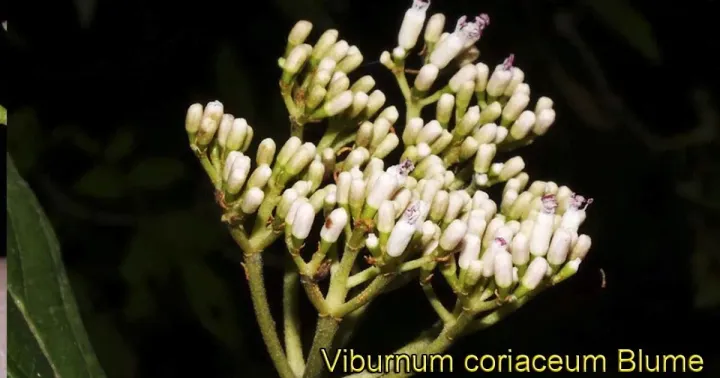
Description
Growing requirements
Leatherleaf viburnum (Viburnum coriaceum) is a distinctive evergreen shrub species belonging to the Adoxaceae family. It is recognized for its thick, leathery, and glossy foliage that remains vibrant throughout the seasons, offering significant aesthetic value.
Native to the subtropical forests of the Himalayas and parts of Southeast Asia, this plant thrives in regions with temperate to warm climates. It is typically found in high-altitude environments that provide moderate moisture and protection from extreme temperature spikes.
Agricultural requirements include well-drained, nutrient-rich soil with a slightly acidic to neutral pH level. The species performs best in semi-shaded locations where it is shielded from intense afternoon sun and harsh winds, which can desiccate the evergreen leaves.
Cultivation practices focus on consistent irrigation and the application of balanced fertilizers during the active growing season. Regular mulching is recommended to maintain optimal soil moisture and temperature, as well as to suppress competing weed growth around the base.
The primary utility of this plant is ornamental, as it is a favored choice for structural landscape design, privacy screens, and evergreen garden borders. Its growth habit allows for shaping, making it a versatile addition to both formal and woodland gardens.
Main diseases and pests
The plant is susceptible to several fungal diseases, particularly when planted in areas with poor airflow and high humidity. Leaf spot and powdery mildew are the most common afflictions, which can be mitigated through systemic fungicide treatments and proper spacing.
Pest management is focused on controlling infestations of aphids and spider mites, which can damage the tender new growth during spring. Integrated pest management strategies, including the use of botanical oils or systemic insecticides, are highly effective in maintaining plant health.