
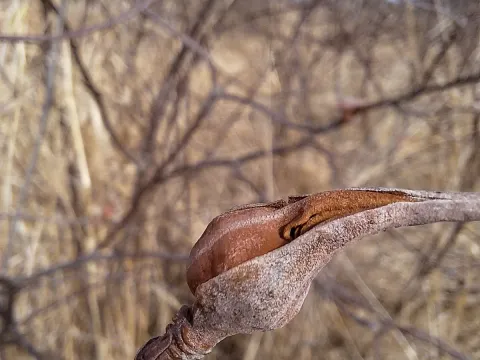
Nannyberry
Viburnum lentago
Nannyberry, a member of the Adoxaceae family, is typically propagated through vegetative methods such as cuttings or layering. Planting is best performed in the spring or autumn when the plant is dormant to ensure optimal root establishment in its new environment.
What the section contains
Nannyberry
For seed propagation, sowing should take place in the autumn immediately after harvesting, as the seeds require a long period of stratification to germinate. Covering seeds to a depth of 2–3 cm and mulching the area helps maintain the necessary soil moisture levels.
The recommended spacing for Nannyberry shrubs is between 2 and 3 meters apart. This spacing allows sufficient room for root development and adequate sunlight exposure, which is crucial for forming a healthy canopy and ensuring consistent annual fruit production.
Incorporating organic matter such as compost or well-rotted manure during the initial planting phase provides a nutrient-rich substrate. This helps young shrubs establish a strong root system, which is vital for surviving the stress of transplanting.
Young plants require consistent watering during their first two growing seasons. Maintaining a balanced soil moisture level—avoiding both drought and waterlogging—is essential for promoting vigorous growth and preventing stress-related health issues.
This species thrives in deep, fertile loam soils that retain moisture effectively. Viburnum lentago is highly cold-hardy, making it an excellent choice for regions experiencing harsh winters where other varieties might struggle to survive.
While Nannyberry prefers full sun for maximum growth and fruiting, it is quite tolerant of partial shade. In shaded environments, the growth rate may decrease slightly, and the plant may produce fewer berries compared to those grown in sunny locations.
The soil pH should ideally be neutral or slightly acidic. The plant does not tolerate high salinity or areas with a high water table unless proper drainage systems are installed to prevent the saturation of the root zone.
Maintenance includes annual pruning to remove dead or diseased branches and to thin out the shrub's interior. This promotes better air circulation throughout the canopy, which is a key factor in preventing fungal infections and maintaining overall plant vigor.
Applying a layer of organic mulch around the base of the shrub helps regulate soil temperature and moisture levels. This is particularly beneficial in regions with hot, dry summers, as it protects the delicate shallow roots from excessive heat.
The yield of Nannyberry is directly influenced by the shrub's age and the level of care provided. Full production capacity is typically reached between 4 and 6 years after planting, with the most productive phase occurring between 10 and 15 years.
The fruit consists of dark blue to black drupes borne in dense, flat-topped clusters. They are known for their sweet, somewhat mellow flavor, which makes them highly desirable for processing into jams, jellies, and juices or consuming fresh when fully ripe.
Beyond fruit production, Nannyberry is widely utilized in landscape architecture for its aesthetic appeal. It serves as an effective windbreak and creates dense hedges that provide privacy while supporting local bird populations with food and shelter.
While the species is self-fertile, planting multiple shrubs can enhance cross-pollination, leading to higher berry yields. The presence of native pollinators during the flowering season is a critical factor in successful fruit set.
Harvesting should occur when the berries reach full maturity and display their characteristic dark, almost black hue. It is recommended to harvest during dry conditions to ensure the quality and longevity of the fruit during post-harvest handling.
Nannyberry is remarkably resistant to many common pests compared to other Viburnum species. However, under specific conditions, aphids may target young leaves and shoots, potentially causing minor leaf curling and stunted growth during the early season.
Fungal issues such as powdery mildew or leaf spots can appear if the plant is grown in areas with poor airflow and high humidity. Proper pruning and maintaining sufficient spacing between shrubs are the most effective ways to mitigate these risks.
Ants often accompany aphid colonies, so managing ant activity around the base of the plant can help control aphid outbreaks. Integrated pest management, including biological controls, is preferred over chemical interventions to maintain garden health.
Small mammals and rodents may damage the bark of young shrubs during winter when other food sources are scarce. Protecting the base of the trunks with wire mesh or specialized guards can prevent significant damage to the plant's vascular system.
General hygiene, such as removing fallen leaves at the end of the season, reduces the overwintering sites for various pathogens. Regular monitoring throughout the growing season allows for early intervention, ensuring the long-term health of the shrub.
Harvesting the berries is usually done manually by snipping off the entire clusters to avoid damaging the branches. Care must be taken not to remove the fruit buds intended for the next season's growth, which develop on current-season stems.
After harvesting, the berries should be sorted to remove any debris or damaged fruit. This ensures that only high-quality produce moves forward to the processing stage, whether for home cooking or commercial food production.
Using breathable containers for transport is essential to prevent moisture accumulation and spoilage. Because the berries have a firm skin, they withstand handling better than many other soft fruits, making them suitable for short-distance transport.
Fresh berries can be stored in refrigerated conditions for several weeks. For long-term preservation, freezing is the most effective method as it maintains the nutritional content and flavor profile of the fruit indefinitely.
Dried Nannyberry fruits are also a valuable product for the health food industry. Proper dehydration in climate-controlled units produces a shelf-stable item that remains rich in antioxidants, contributing to its status as a beneficial natural food source.