
Tetramerium nervosum
Tetramerium nervosum
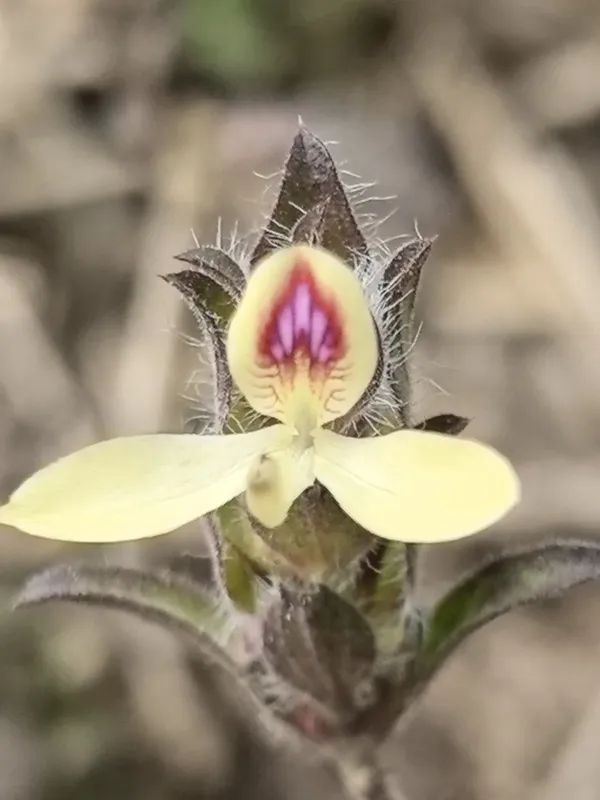
Description
Sowing dates
Tetramerium nervosum is a perennial herbaceous plant belonging to the Acanthaceae family. It is widely distributed across tropical regions, where it plays an important role in local ecosystems and sustainable agriculture.
The sowing process typically begins at the onset of the rainy season to ensure optimal moisture for seed germination. It requires temperatures within the range of 20 to 25 degrees Celsius for rapid and uniform emergence.
Seeds should be sown in well-prepared, friable soil to encourage root development. A shallow sowing depth is recommended to prevent the depletion of energy reserves within the seedlings during their early growth stages.
Propagation can also be achieved through vegetative methods, such as stem cuttings, which are efficient for establishing dense plant stands in short timeframes.
In field conditions, spacing should be managed to balance between maximizing foliage density and allowing sufficient airflow between individual plants.
Growing requirements
This plant thrives in well-drained soils, showing a preference for sandy or silty loams. It is known for its ability to adapt to varying soil conditions, provided that waterlogging is avoided.
Tetramerium nervosum exhibits high tolerance to full sun exposure, although it can perform well in partial shade. It is a warm-season crop that flourishes in tropical climates with consistent humidity.
Regular fertilization with organic matter can significantly increase biomass production, making it a valuable candidate for green manure or forage systems.
While the plant is notably drought-tolerant, supplemental irrigation during prolonged dry spells helps maintain vigorous vegetative growth and foliage quality.
The plant demonstrates a strong capacity for regrowth, making it resilient to repeated harvesting or grazing in agricultural management scenarios.
Main diseases and pests
Common threats to Tetramerium nervosum include sap-sucking insects like aphids and mites, which can cause leaf curling and reduce overall photosynthetic capacity.
Fungal diseases related to excessive soil moisture or poor drainage, such as root rot, can pose a risk to the health of the plant population if not properly managed.
Weed competition during the seedling stage is a primary challenge. Establishing a dense canopy as early as possible is an effective strategy for natural weed suppression.
Integrated pest management (IPM) practices, including the encouragement of beneficial predator insects, are effective in controlling populations of harmful pests.
Routine inspection of the foliage for signs of chlorosis or physical damage is recommended to detect and address potential threats before they escalate into widespread field problems.
Harvesting
Harvesting for biomass or forage is typically timed to coincide with the pre-flowering stage, when the nutrient concentration in the leaves and stems is at its peak.
Manual or mechanized cutting can be employed depending on the scale of cultivation. The plant generally shows excellent regrowth potential after being cut, allowing for multiple harvests within a single season.
Post-harvest management involves proper drying or ensiling if the plant is intended for livestock feed, ensuring that the moisture content is reduced to prevent spoilage.
Care must be taken to avoid damaging the base of the stems during harvesting to ensure that the plant continues to produce shoots for subsequent growth cycles.
Proper timing of the harvest is crucial to maximize both the quantity and the nutritional quality of the collected material for various agricultural uses.