
Strobilanthes urticifolia
Strobilanthes urticifolia Wall. ex Kuntze
Description
Growing requirements
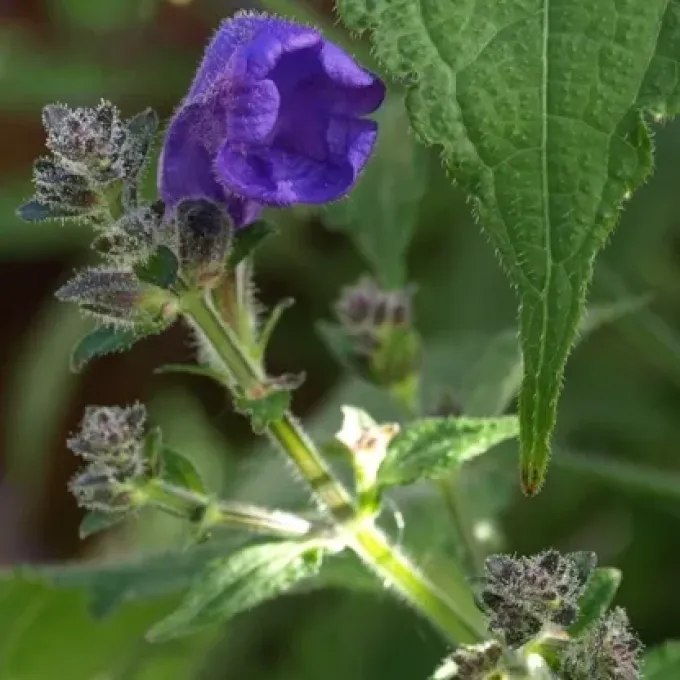
Strobilanthes urticifolia is a herbaceous perennial plant belonging to the Acanthaceae family. Originally native to the Himalayan regions, it naturally thrives in humid environments and shaded montane forest clearings.
The botanical structure of the plant features sturdy, upright stems and characteristic serrated leaves that resemble those of nettles. It is a highly specialized plant that requires specific environmental conditions to maintain its biological cycle.
Successful cultivation requires soil that is rich in organic matter and maintains excellent drainage capabilities. The root system is sensitive to waterlogging, necessitating a balanced irrigation regime that keeps the soil moist but not saturated.
The plant prefers diffused light conditions and struggles under intense direct sunlight. Ideal ambient temperatures for its development fall within a moderate range, requiring protection from frost and severe heat waves.
Agronomic management involves regular fertilization during the growing season using balanced NPK mixtures to support leaf production. Additionally, systematic pruning helps in maintaining a compact habit and promoting healthier secondary branching.
Main diseases and pests
Typical agricultural pests affecting this species include spider mites and whiteflies. These pests are particularly aggressive in environments with low humidity levels, which often occurs in confined or poorly ventilated growing spaces.
The culture is susceptible to fungal infections, most notably root rot and leaf spot diseases caused by Phytophthora or similar pathogens, especially if the planting medium remains excessively wet for extended periods.
Disease prevention is achieved by ensuring proper spacing between plants and implementing strict water management practices. Improving air circulation is crucial to reducing the risk of fungal outbreaks within the crop canopy.
When infestation occurs, integrated pest management (IPM) strategies, including the use of horticultural oils or targeted insecticides, are recommended to control the population of pests without harming the plant.
Early diagnosis of physiological or biological stress is essential for the longevity of the plant. Regular monitoring of the growing environment helps in anticipating and preventing widespread damage to the crop.