
Strobilanthes wallichii
Strobilanthes wallichii Nees
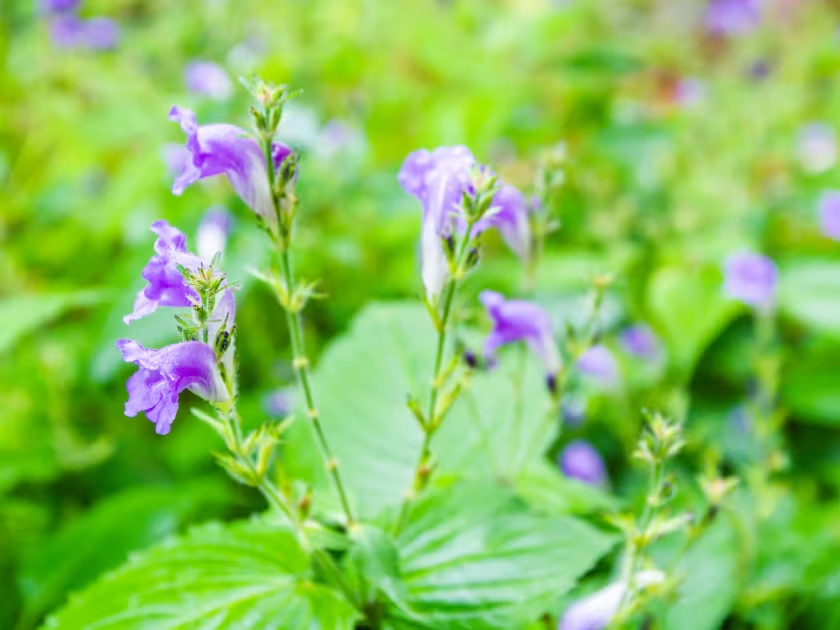
Description
Growing requirements
Strobilanthes wallichii belongs to the Acanthaceae family and is native to the temperate Himalayan regions. It is characterized by its woody base and herbaceous stems, often displaying attractive foliage that makes it a notable ornamental perennial in specific landscape designs.
The crop thrives in nutrient-rich, well-draining soils with a slightly acidic to neutral reaction. While it prefers moist environments, it is vital to ensure that the soil structure provides adequate aeration to prevent root rot and other physiological disorders caused by waterlogging.
Regarding climate, the plant prefers cooler environments and filtered light conditions. Excessive exposure to direct sunlight can stress the plant, leading to leaf scorching and increased water demand, which is why it is often positioned in semi-shaded areas.
Agronomic management involves regular watering schedules that keep the soil consistently moist but never waterlogged. Fertilization with balanced NPK formulas during the primary growing season is recommended to support lush vegetative development and flowering.
Propagation is typically performed through stem cuttings taken during the late spring. These cuttings require high humidity and moderate warmth (approximately 20-22 degrees Celsius) to establish a healthy root system before being transplanted into the permanent site.
Main diseases and pests
Common pests affecting this species include spider mites, whiteflies, and aphids, especially during periods of low humidity or poor airflow. Monitoring for these pests is essential, and integrated pest management strategies should be applied promptly to prevent infestation.
Fungal diseases, including root rot and leaf spots, often result from overwatering or inadequate spacing between plants. Maintaining good air circulation and strictly controlling moisture levels are the most effective preventative measures for long-term plant health.