
Staurogyne rubescens
Staurogyne rubescens
Description
Growing requirements
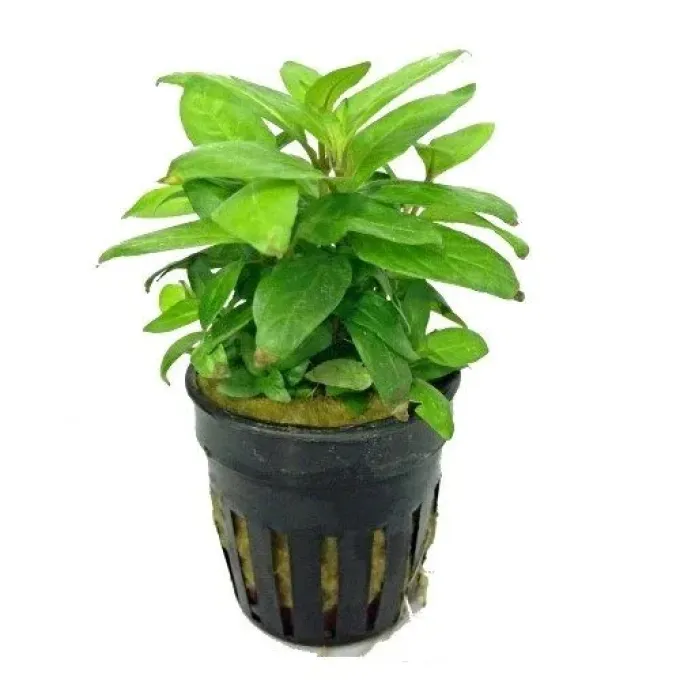
Staurogyne rubescens is a striking aquatic plant belonging to the Acanthaceae family, native to the tropical riverbanks of South America. It is widely prized by aquascapers for its distinct reddish-brown foliage and compact, bushy growth habit, making it an ideal choice for foreground or midground placement.
The plant exhibits high adaptability to various aquatic conditions, though it thrives best in environments with moderate to high lighting. To maintain its signature color, the plant requires consistent supplementation with iron and essential micronutrients, as well as a rich, nutrient-dense substrate for its root system.
Optimal growth is achieved at water temperatures ranging between 22 and 28 degrees Celsius. The species benefits significantly from carbon dioxide (CO2) injection, which encourages denser branching and faster development, particularly when used in high-tech aquarium setups.
In terms of maintenance, pruning is a regular necessity to prevent the plant from becoming too woody at the base and to encourage lush, lateral growth. Trimmings can be easily replanted, as they root readily in suitable aquarium substrates under good light conditions.
Water chemistry should be kept stable, with a focus on avoiding extreme fluctuations in pH or hardness. A gentle water flow around the plants is recommended to ensure even distribution of nutrients and prevent detritus accumulation within the foliage.
Main diseases and pests
The primary threat to the health of Staurogyne rubescens is iron deficiency, which causes the foliage to lose its vibrant red pigment and turn yellowish or pale green. Insufficient light intensity will also result in leggy, unattractive growth patterns.
Algae infestation, particularly hair algae or biofilm, can significantly hinder the plant's ability to photosynthesize. Keeping water parameters within optimal ranges for plant growth is the best defense against invasive algae species.
Pests such as certain types of snails or crustaceans may occasionally consume the tender new growth. Monitoring the tank and adjusting the diet of fish or other inhabitants can help mitigate this risk without harming the plants.
Root rot is a potential danger if the substrate becomes overly compacted and anaerobic. Proper substrate maintenance, including periodic cleaning or the use of root tabs, helps sustain a healthy environment for the plant's root system.
Sudden changes in environmental factors can trigger leaf shedding. Maintaining consistency in dosing fertilizers and managing the light cycle is essential for the long-term health and aesthetic appeal of the plant.