
Ruellia brevifolia
Ruellia brevifolia
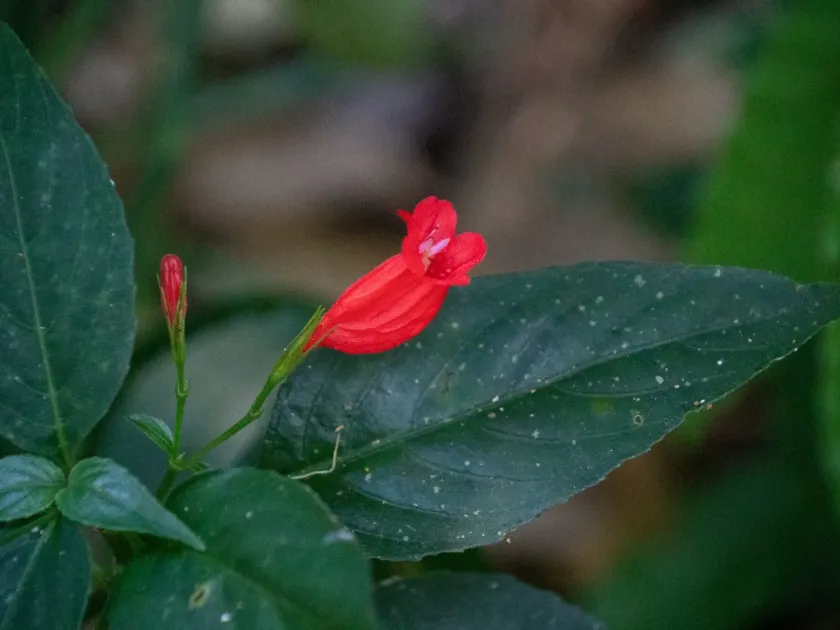
Description
Growing requirements
Ruellia brevifolia is a perennial plant belonging to the Acanthaceae family, native to the tropical forests of South America. It is widely cultivated for its ornamental value, characterized by its elegant foliage and vibrant, tubular flowers.
The plant thrives in a tropical climate with temperatures consistently between 18°C and 25°C. It is sensitive to cold drafts and requires a stable environment to maintain its vegetative vigor throughout the year.
Regarding soil requirements, the species prefers well-drained, nutrient-rich substrates with a slightly acidic to neutral pH level. Proper aeration of the root zone is crucial, which is achieved by incorporating perlite or coarse sand into the potting mix.
Light management is essential for Ruellia brevifolia, as it requires bright, filtered light to flourish. Excessive direct sunlight should be avoided to prevent foliar scorching, while inadequate light can lead to leggy growth and reduced flowering.
Maintenance involves balanced irrigation, ensuring the soil remains moist but not waterlogged. Periodic fertilization with a balanced liquid fertilizer during the growing season supports the development of healthy foliage and flower buds.
Main diseases and pests
Spider mites are the most common pests associated with this plant, especially when grown in environments with low relative humidity. They typically feed on the undersides of leaves, causing discoloration and eventual leaf drop if left unchecked.
Powdery mildew represents a significant fungal threat, usually triggered by stagnant air and high humidity. It manifests as a white, dusty layer on the leaves, necessitating improved airflow and, if necessary, the application of systemic fungicides.
Root rot is a common physiological problem caused by poor drainage or overwatering. When the roots remain submerged in water for too long, they lose the ability to take up nutrients, leading to rapid wilting and potential plant death.
Whiteflies can also impact the health of the plant by draining sap from the leaves and producing honeydew, which encourages the growth of sooty mold. Regular monitoring and the use of insecticidal soap are effective control strategies.
Maintaining high standards of plant hygiene is the best preventative measure against these threats. Removing dead foliage and ensuring adequate space between plants helps to minimize the risk of pest and disease outbreaks in the growing area.