
Ruellia macrantha
Ruellia macrantha Mart. ex Nees
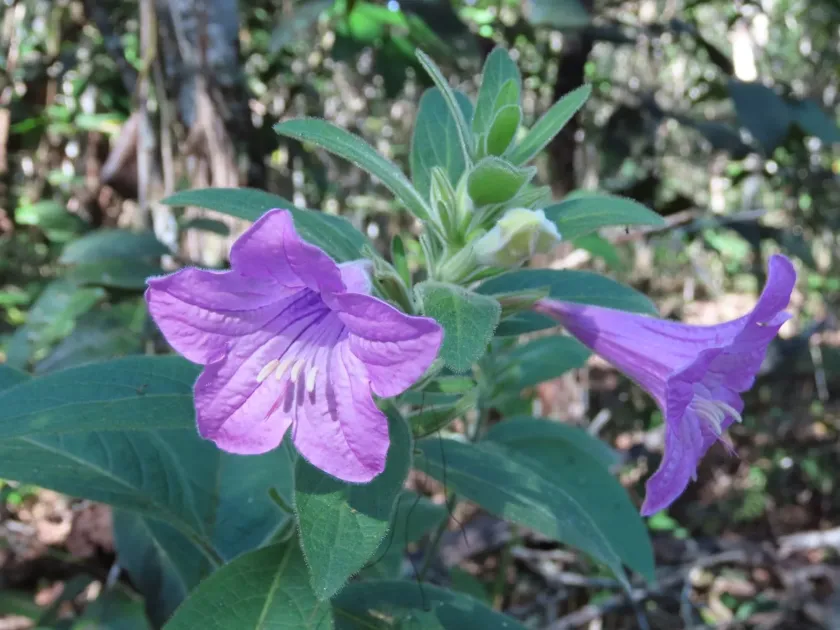
Description
Growing requirements
Ruellia macrantha is a perennial subshrub belonging to the Acanthaceae family. Originally native to the tropical regions of Brazil, it has gained popularity as an ornamental plant due to its striking, large, trumpet-shaped flowers and velvety foliage.
The plant thrives in a warm, humid environment, mimicking its native rainforest habitat. An ideal temperature range for this species is between 20 and 26 degrees Celsius, as it does not tolerate cold drafts or sudden temperature fluctuations.
For optimal growth, Ruellia macrantha requires a fertile, well-draining soil mix. A substrate rich in organic matter, such as a combination of peat moss, leaf mold, and perlite, helps maintain the necessary moisture balance while preventing root rot.
Light intensity is critical for the development of this plant. It prefers bright, indirect sunlight, as direct exposure can scorch the leaves, while insufficient light may result in leggy growth and poor flower production.
Watering frequency should be adjusted based on the growth cycle and local climate. During the active growing season, the soil should be kept consistently moist, but not waterlogged. Reduced watering is advised during the winter dormancy period.
Main diseases and pests
Spider mites are the most common pests that infest Ruellia macrantha, especially when indoor air humidity is too low. These pests colonize the undersides of the leaves, causing them to yellow and drop prematurely.
Mealybugs can also pose a significant threat to the plant, hiding in the leaf axils and stems. Regular monitoring and physical removal of pests, or the use of insecticidal soap, are effective management strategies.
Fungal issues, including powdery mildew and root rot, are frequently associated with improper cultural practices. Excessive moisture levels combined with poor air circulation create an environment favorable for these pathogens.
To prevent disease outbreaks, it is essential to ensure adequate spacing between plants and maintain a stable microclimate. Removing dead or damaged foliage helps reduce the risk of secondary infections.
Integrated pest management, combining sanitation, proper irrigation, and targeted biological or chemical treatments, is essential for maintaining the vigor and health of Ruellia macrantha throughout the year.