
Rostellularia procumbens
Rostellularia procumbens
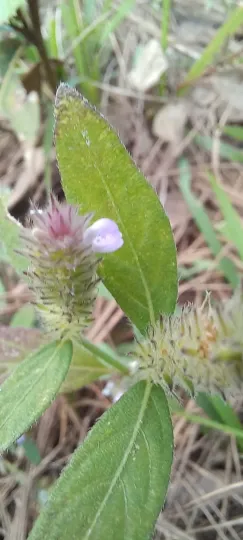
Description
Sowing dates
Rostellularia procumbens is a tropical herbaceous plant that requires warm temperatures and high moisture levels for optimal germination and successful establishment.
Seeds should be sown in early spring in well-prepared seedbeds, ensuring that the soil temperature consistently remains above 20 degrees Celsius for maximum success.
Shallow planting is recommended, as the seeds are small and require sufficient light exposure to stimulate the germination process properly in the initial stages.
The spacing between plants must be carefully managed to prevent overcrowding, which allows for better airflow and helps reduce the risk of humidity-related fungal issues.
Regular irrigation is essential immediately after sowing to maintain constant soil moisture, as even a short period of dryness can critically damage young sprouts.
Growing requirements
The plant thrives in fertile, well-draining soils with a neutral pH level, ideally supplemented with compost or well-rotted organic matter to support growth.
As a member of the Acanthaceae family, it demands a warm and humid environment, making it suitable for protected cropping in regions with variable weather patterns.
Adequate sunlight is necessary for robust vegetative development, although partial shade during the hottest hours of the day can prevent excessive dehydration.
Proper nutrient management is vital; balanced NPK fertilizers applied during the peak growing phase will significantly boost the production of biomass.
Soil aeration is key to preventing root rot, especially during the rainy season or in fields where water drainage might be naturally restricted by soil structure.
Yield
Under favorable conditions, Rostellularia procumbens can produce significant yields of fresh greenery, providing a steady supply of medicinal raw material per season.
Consistent harvesting techniques that avoid damaging the basal parts of the plant encourage lateral branching and increase total seasonal biomass production.
Monitoring the growth rate allows for precise timing of the harvest, ensuring the maximum density of active compounds is captured within the gathered plant tissue.
Yield efficiency is significantly improved by meticulous weed control during the first four weeks, as the plant is relatively sensitive to competition in its youth.
Storage of the harvested material must prioritize cool, dark conditions to ensure the long-term stability of the botanical compounds present in the leaves and stems.
Main diseases and pests
The plant is susceptible to common greenhouse pests such as spider mites, aphids, and whiteflies, which can quickly devastate a crop if left uncontrolled.
Fungal pathogens causing leaf spots and stem rots represent a significant threat in high-humidity environments, necessitating strict sanitation protocols in the field.
Integrated pest management strategies are recommended over heavy pesticide use, especially when the crop is intended for pharmaceutical or dietary supplement applications.
Monitoring for chlorosis and signs of nutrient deficiency is essential for early intervention and maintaining the overall health and vigor of the cultivation area.
Crop rotation practices should be strictly observed to prevent the buildup of soil-borne pathogens that might target members of the Acanthaceae family.
Harvesting
The harvest period occurs during the full flowering stage, which is when the concentration of the plant's valuable secondary metabolites is at its absolute peak.
Mechanical harvesting or manual cutting is usually performed at a set height above the ground to preserve the regenerative potential of the established root system.
The harvested greenery must be transported rapidly to a drying facility, as rapid temperature rises can lead to the loss of aromatic or active medicinal compounds.
Controlled drying at low temperatures with excellent air circulation is the standard practice for producing high-quality, long-lasting herbal materials.
Final product management includes rigorous sorting to remove impurities, followed by storage in moisture-proof containers to preserve the integrity of the herbs.