
Rostellularia sundana
Rostellularia sundana
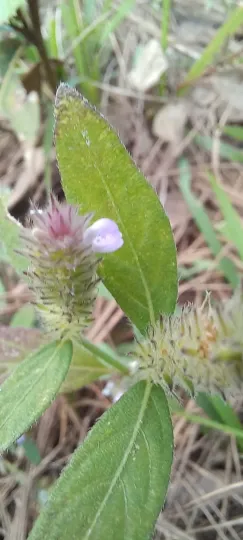
Description
Growing requirements
Rostellularia sundana is a perennial herbaceous plant belonging to the Acanthaceae family. It is native to the tropical regions of Southeast Asia, where it thrives in humid and stable climate conditions.
The plant requires high humidity and consistent temperatures between 20°C and 30°C to achieve optimal vegetative growth. It is highly sensitive to frost and sudden changes in thermal patterns, which can significantly damage its soft stems.
In terms of soil, it prefers well-aerated, fertile substrates with a slightly acidic to neutral pH. Proper drainage is essential to prevent root rot, as the plant cannot survive in waterlogged or compacted soils for extended periods.
Botanically, Rostellularia sundana features simple, opposite leaves and dense inflorescences. The stem structure allows it to maintain flexibility, which is an adaptation to dense forest floor environments where it typically grows.
Agricultural use of this species is largely specialized. It is often studied for its resilience in local ecosystems, and researchers are currently exploring its potential as a secondary industrial or ornamental crop in tropical agriculture.
Main diseases and pests
The primary threats to Rostellularia sundana are fungal pathogens that thrive in humid environments. Leaf spots are common symptoms of infection, often necessitating improved airflow to mitigate spread.
Insect pests such as leaf-eating caterpillars and aphids are the most significant threats to the foliage. If left unmanaged, these pests can severely reduce the plant's photosynthetic capacity.
Root rot, driven by poor drainage and fungal colonization in the soil, remains a major risk. Ensuring the substrate remains porous is the best defense against this physiological threat.
Weed infestation during the initial establishment phase can suppress growth significantly. Effective management requires manual or mechanical removal of invasive species near the base of the crop.
Integrated pest management, including the use of biological control agents and routine field monitoring, is highly recommended to ensure the long-term health and productivity of the crop.