
Rhinacanthus calcaratus
Rhinacanthus calcaratus
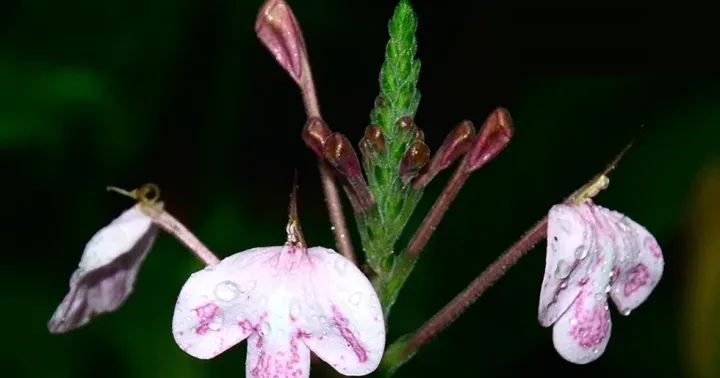
Description
Sowing dates
Rhinacanthus calcaratus, a member of the Acanthaceae family, is typically propagated via seeds or vegetative cuttings. In controlled environments, sowing is best performed in early spring, ensuring that soil temperatures remain consistently above 20 degrees Celsius.
For optimal germination rates, seeds should be pre-treated with growth stimulants or soaked in warm water. They are sown in a light, well-draining substrate rich in organic matter to encourage rapid root development and strong initial growth.
Cuttings are a preferred method for commercial cultivation, as they ensure genetic consistency and faster establishment. Cuttings are harvested from healthy, active shoots and rooted in a moist sand-peat mixture under high humidity conditions.
Planting density is crucial for successful development, and spacing must be optimized to ensure each plant receives sufficient light and air circulation. Proper spatial management minimizes competition for resources and prevents stunted growth.
Maintaining a stable microclimate is vital during the early stages of establishment. Covering the young plantings with plastic tunnels or using greenhouse misting systems can significantly increase the success rate of propagation.
Growing requirements
As a tropical and subtropical species, Rhinacanthus calcaratus requires a warm climate to thrive. It performs best in temperatures ranging from 22 to 28 degrees Celsius, and plants should be protected from sudden temperature drops or frost.
The plant prefers bright, filtered sunlight rather than direct, harsh solar exposure. In greenhouse settings, shading screens are commonly used to provide the necessary light intensity while avoiding leaf scorching and excessive dehydration.
Soil requirements focus on high aeration and drainage capabilities. The ideal substrate is a light loam or sandy soil enriched with compost or well-decomposed organic material, maintaining a slightly acidic to neutral pH balance.
Watering must be frequent but careful, as the species is highly sensitive to waterlogged soil. A well-designed irrigation system that promotes consistent moisture without soil saturation is essential for long-term health and disease prevention.
Regular fertilization with balanced NPK formulas supports the vigorous growth of the foliage. Micro-nutrient supplementation can be provided during peak growth phases to enhance the plant’s chemical composition and overall vitality.
Yield
The economic value of Rhinacanthus calcaratus is based on the harvested green biomass, which is utilized for its pharmacologically active compounds, particularly rhinacanthins. Yield is maximized through consistent cultural practices and timely pruning.
Regular topping or pruning of the apical buds stimulates side-shoot development, leading to a bushier growth habit and higher biomass accumulation per plant. This practice allows for multiple harvesting cycles within a single season.
The peak harvest period coincides with the budding phase, when the concentration of active medicinal ingredients is at its highest. Monitoring the plant’s developmental stages is necessary to ensure the highest quality of raw material.
Post-harvest management involves careful drying techniques to ensure the longevity of the plant's active components. Drying should occur in shade or low-temperature chambers to prevent the degradation of heat-sensitive compounds.
The ultimate yield efficiency is measured by the quality of the processed product, ensuring it meets industrial standards for purity and concentration of active agents. Properly managed plantations can yield stable amounts of high-quality material annually.
Main diseases and pests
Despite its robustness, the plant is susceptible to several pests, particularly in protected environments. Spider mites are the most common issue, often proliferating in hot, dry conditions and damaging the leaf undersides.
Mealybugs and aphids can also infest the stems, extracting sap and weakening the plant. Integrated pest management, focusing on early detection and the use of biological control agents, is highly recommended to protect the crop.
Fungal infections, such as powdery mildew, often occur when humidity is too high and airflow is insufficient. Proper spacing and ventilation are key preventative strategies to maintain the health of the plant population.
Root rot is a major threat caused by stagnant water or poor drainage systems. This condition is often lethal to the plant, so monitoring substrate moisture levels and maintaining sanitary conditions is crucial for the survival of the plantation.
Regular inspection and the isolation of infected individuals are necessary to prevent outbreaks. Using eco-friendly protection methods ensures the final biomass remains free of harmful residues, which is critical for medicinal applications.
Harvesting
Harvesting should be conducted when the plants have reached the desired biomass and peak concentration of medicinal compounds. Sharp, sanitized pruning tools are used to make clean cuts, facilitating quick recovery and minimizing physical damage.
After collection, the biomass undergoes immediate sorting to remove foreign matter and damaged foliage. This process ensures that only the highest quality raw material enters the drying and processing phase.
Drying is performed in clean, ventilated environments with temperature control. Maintaining a consistent temperature below 40 degrees is vital to preserve the chemical integrity and the color of the herb, which are key quality indicators.
Once dried to the specified moisture content, the product is processed into the required form, whether as whole leaves or milled powder. Packaging must be airtight to shield the product from moisture and light exposure during storage and transit.
Quality assurance includes laboratory testing for purity and potency before the product is delivered. Adherence to strict harvesting and handling protocols guarantees the effectiveness of the raw material in pharmaceutical formulations.