
Rhinacanthus nasutus
Rhinacanthus nasutus
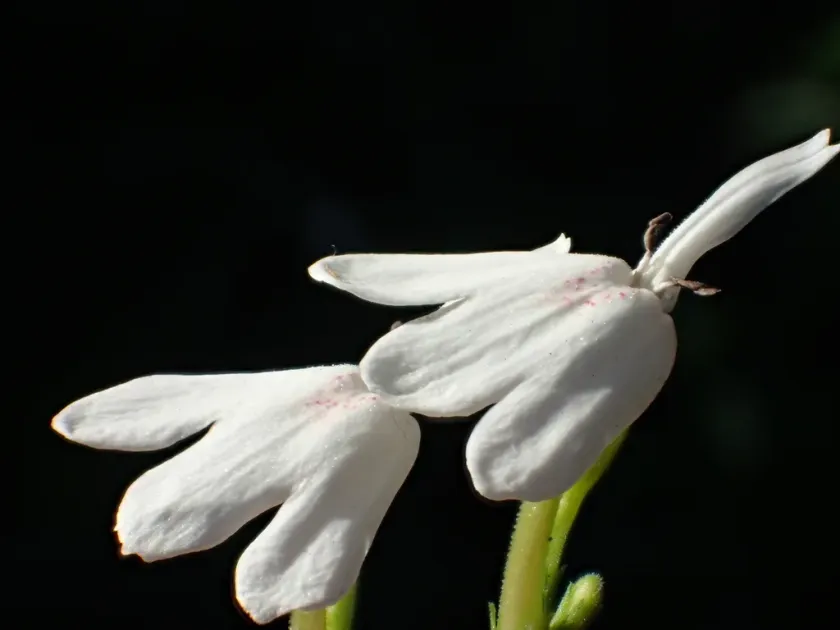
Description
Sowing dates
Rhinacanthus nasutus, commonly known as snake jasmine, is a member of the Acanthaceae family. It is typically propagated through stem cuttings or seeds, with vegetative propagation being preferred for maintaining the genetic consistency of the medicinal compounds in commercial plantations.
Planting usually commences at the onset of the rainy season, which ensures adequate moisture levels for root establishment. In a greenhouse setting, seeds are sown in a light, porous substrate and kept under consistent temperature conditions to facilitate high germination rates.
For optimal development, the spacing between plants must be carefully managed to prevent overcrowding, which can severely hinder growth. Proper spacing ensures adequate airflow, which is essential to reduce the humidity around the canopy in tropical climates.
Seedlings or cuttings require a period of hardening before being transplanted into the open field to acclimatize them to direct sunlight and varying environmental conditions. This preparation significantly improves the survival rate of the crop.
The establishment phase requires vigilant monitoring of soil moisture, as newly transplanted specimens are sensitive to drought. A successful start during the first month is critical for achieving a uniform plant stand across the entire field.
Growing requirements
This crop thrives in well-drained, fertile soils with a neutral pH level. It is highly intolerant of waterlogging, which often leads to root rot and other soil-borne diseases. Therefore, planting on raised beds is common in regions with heavy rainfall.
Rhinacanthus nasutus is a heliophilous plant that requires significant sun exposure to synthesize its medicinal compounds effectively. While it tolerates light shade, full sun promotes denser foliage and higher concentrations of active naphthoquinones.
Watering requirements are consistent throughout the growing season. While the plant appreciates moisture, the soil must be allowed to drain properly. Drip irrigation systems are highly recommended to target the root zone and avoid wetting the leaves excessively.
Nutrient management involves applying organic matter or balanced NPK fertilizers during the early growth stages to support vegetative biomass. As the plant matures, increasing potassium levels helps in strengthening the plant's resistance to stressors.
The ideal temperature for growth ranges between 22 and 32 degrees Celsius. The crop is strictly tropical and cannot survive frost or prolonged cold snaps, which limits its commercial cultivation to specific latitudes.
Main diseases and pests
The crop is occasionally susceptible to fungal diseases such as leaf spot and root rot, especially during periods of high humidity and poor ventilation. Preventive measures include regular pruning and maintaining adequate spacing between plants.
Pests such as aphids and spider mites can infest the foliage, particularly in dry conditions. Integrated pest management, including the use of neem-based sprays and biological control agents, is effective for maintaining plant health without contaminating the medicinal harvest.
Weed control is essential during the first three months of growth as the plant is relatively slow to establish compared to invasive weeds. Manual weeding is often preferred over herbicides to avoid chemical residues that could compromise the product's quality.
Maintaining soil health is crucial to preventing soil-borne pathogens. Crop rotation with non-Acanthaceae species is advised if the land is used for consecutive production cycles to break the life cycle of specific soil pathogens.
Regular monitoring of field conditions allows for early detection of stress symptoms. Addressing issues at the initial sign of infestation prevents large-scale yield loss and ensures the production of high-quality medicinal raw material.
Harvesting
Harvesting Rhinacanthus nasutus involves the careful collection of leaves and, in older plants, the roots. Leaves are harvested manually just before the onset of flowering to ensure the highest potency of the bioactive ingredients.
Post-harvest processing is critical. The gathered biomass is dried in a well-ventilated, shaded environment. Avoiding direct sunlight during drying is essential to prevent the degradation of heat-sensitive compounds like rhinacanthin.
Roots are harvested from plants that are at least two years old. The extraction process is laborious and requires thorough cleaning and prompt drying to prevent molding, which can occur rapidly in humid storage conditions.
The product is mainly used in the pharmaceutical and cosmetic industries for its powerful anti-inflammatory, antifungal, and antioxidant properties. The quality is measured by the standardized content of specific secondary metabolites in the dried extract.
Effective post-harvest management extends the shelf life of the raw material. Proper packaging in dry, airtight containers protects the quality of the phytochemicals, ensuring they remain effective for subsequent extraction processes.