
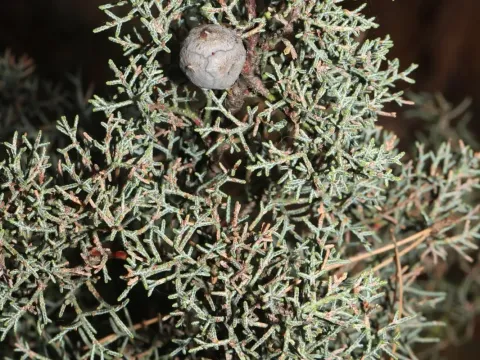
Cypress
Hesperocyparis
Propagation of cypress is primarily achieved through seeds or cuttings, which ensures the maintenance of desirable varietal traits. Seeds are sown in spring following a stratification period of up to three months in cool conditions to break dormancy and ensure uniform germination.
What the section contains
 Abrams cypress
Hesperocyparis abramsiana
Abrams cypress
Hesperocyparis abramsiana
 Arizona cypress
Hesperocyparis arizonica
Arizona cypress
Hesperocyparis arizonica
 Baker cypress
Hesperocyparis bakeri
Baker cypress
Hesperocyparis bakeri
 Bentham cypress
Hesperocyparis benthamii
Bentham cypress
Hesperocyparis benthamii
 Forbes cypress
Hesperocyparis forbesii
Forbes cypress
Hesperocyparis forbesii
 Goven cypress
Hesperocyparis goveniana
Goven cypress
Hesperocyparis goveniana
 Guadalupe cypress
Hesperocyparis guadalupensis
Guadalupe cypress
Hesperocyparis guadalupensis
 Macnab cypress
Hesperocyparis macnabiana
Macnab cypress
Hesperocyparis macnabiana
 Mexican cypress
Hesperocyparis lusitanica
Mexican cypress
Hesperocyparis lusitanica
 Monterey cypress
Hesperocyparis macrocarpa
Monterey cypress
Hesperocyparis macrocarpa
 Sargent cypress
Hesperocyparis sargentii
Sargent cypress
Hesperocyparis sargentii
 Smooth cypress
Hesperocyparis glabra
Smooth cypress
Hesperocyparis glabra
 Stephenson's cypress
Hesperocyparis stephensonii
Stephenson's cypress
Hesperocyparis stephensonii
Cypress
When sowing, the seeds should be covered with no more than 1 centimeter of soil to facilitate growth. A light, well-draining substrate is critical, as young seedlings are highly sensitive to excessive moisture, which can easily lead to root rot during the initial growth stage.
Cuttings are best taken in late summer using semi-hardwood shoots approximately 10–15 centimeters long. After treating the cuttings with rooting hormones, they are planted in a mixture of sand and peat and kept in a humid environment, such as a greenhouse or under a film cover, to promote root development.
Young plants require partial shade for the first two years to protect them from scorching sun. Regular watering and careful soil maintenance allow the root system to strengthen, which is a prerequisite for successful transplantation to a permanent location in the landscape.
Transplanting to the permanent site is best performed in early spring, allowing the root system to establish before the onset of summer heat. Selecting a location that is protected from cold, desiccating winds is essential for the long-term health and structural integrity of the cypress tree.
The genus Hesperocyparis, belonging to the Cupressaceae family, consists of evergreen trees and shrubs that flourish in temperate and subtropical climates. These plants are known for their distinct aesthetic appeal, characterized by a dense, needle-like foliage structure and a symmetrical growth habit.
Cypress trees require well-draining soil with a neutral to slightly acidic pH level. They are intolerant of waterlogged conditions, which can lead to rapid fungal decay in the root zone. Amending heavy soils with organic matter or creating raised beds can help ensure the necessary drainage for long-term survival.
Sunlight exposure is a critical requirement, as most cypress species are highly heliophilic. Providing full sun ensures dense foliage development and prevents the thinning of branches that commonly occurs in shaded environments, which can compromise the overall health and decorative value of the plant.
Temperature regulation is important, as many Hesperocyparis species are adapted to mild winters. While they exhibit moderate drought tolerance once established, supplemental irrigation and occasional misting of the foliage during intense heat waves help maintain plant turgor and prevent dehydration.
Economically, cypress is widely used in landscape architecture for privacy screens, windbreaks, and ornamental plantings. The wood is highly prized for its durability, resistance to decay, and pleasant aromatic qualities, making it a valuable material in specialized furniture manufacturing and outdoor construction.
Fusarium wilt is a significant disease affecting cypress trees, typically attacking the root system and causing gradual foliage yellowing and branch dieback. Management includes the use of systemic fungicides and rigorous soil drainage management to reduce the risk of pathogen spread within the plantation.
Cypress canker, a common fungal issue, causes necrotic lesions on bark and branches. Effective control relies on precise sanitary pruning of the affected sections, followed by disinfection of tools to prevent spore dispersal and the application of protective copper-based treatments to vulnerable wound sites.
Spider mites are prevalent pests in hot and dry climates, damaging the foliage by sucking nutrients from the needles. Regular inspection and the use of acaricides, combined with maintaining adequate humidity levels through foliage misting, are effective strategies to prevent large-scale mite infestations.
Scale insects can become a persistent problem, attaching themselves to branches and protected stem crevices. Systemic insecticides are the preferred method of control, as they are absorbed into the plant's vascular system, providing a reliable and lasting solution against these stubborn sap-sucking pests.
Preventive agrotechnical practices, such as proper spacing for air circulation and balanced fertilization, are the best defense against threats. A strong, well-nourished plant is significantly more resilient to biotic stressors, ensuring longevity and optimal aesthetic performance in any cultivation environment.