
Goven cypress
Hesperocyparis goveniana
Description
Growing requirements
The Goven cypress (Hesperocyparis goveniana) is an evergreen conifer belonging to the Cupressaceae family. Native to the coastal regions of California, this tree is known for its compact habit and aromatic foliage.
This species thrives in well-drained, sandy or gravelly soils that mirror its natural habitat. It requires a sunny position to develop a dense canopy and prefers climates with cool, moist winters and moderate, dry summers.
Regarding climate, the Goven cypress is not highly frost-tolerant, making it suitable for Mediterranean-type climates. In colder regions, it is best suited for cultivation in pots or protected sheltered areas to prevent winter damage.
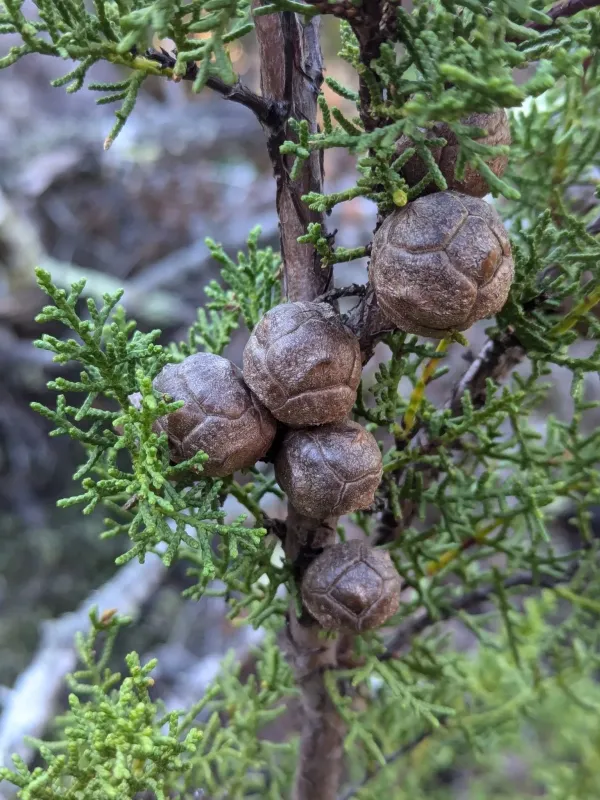
Botanically, the tree typically reaches moderate heights, characterized by dark green scale-like leaves and small, woody cones. It is a slow-growing species, which makes it an excellent candidate for controlled landscape plantings and ornamental gardens.
In terms of хозяйственное (economic) utility, its primary application is horticultural and landscape-oriented. It is valued for its unique texture and color, serving as a structural element in gardens, windbreaks, or as a specimen tree in private estates.
Main diseases and pests
Goven cypress is susceptible to various fungal pathogens, particularly root rot, which is often exacerbated by poor drainage or overwatering. Maintaining a balanced soil moisture level is critical for the long-term health of the root system.
Pest problems commonly include spider mites, which can cause significant needle drop during periods of hot, dry weather. Scale insects may also colonize the stems, requiring diligent monitoring and prompt chemical treatment.
To mitigate disease risks, ensure proper spacing between trees to facilitate air circulation within the canopy. Improving ventilation helps keep the foliage dry, reducing the likelihood of fungal infections establishing on the branches.
Integrated pest management (IPM) is recommended to control populations of harmful insects. This involves biological controls, where possible, or the targeted application of horticultural oils and insecticides when pest thresholds are exceeded.
- Sanitary pruning of dead or diseased branches.
- Applying mulch to stabilize soil temperature.
- Avoiding excessive use of nitrogen fertilizers in late summer.
- Regular inspection of the lower canopy for pest signs.
- Ensuring irrigation is limited to the root zone only.