
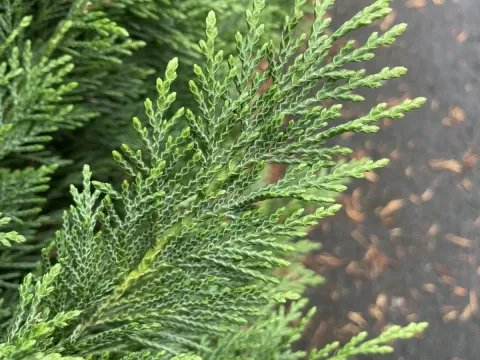
False cypress
Chamaecyparis
False cypress (Chamaecyparis) is a genus of evergreen conifers belonging to the Cupressaceae family. These trees are native to North America and East Asia, thriving in regions that offer high humidity and protection from extreme weather conditions.
What the section contains


False cypress
For successful cultivation, the species requires nutrient-rich, well-draining soil with a slightly acidic to neutral pH. It is crucial to avoid heavy soils that promote waterlogging, as the root system is highly sensitive to oxygen deficiency caused by excess moisture.
Climatic requirements focus on moderate temperature fluctuations and high atmospheric humidity. In areas with dry winds, supplemental irrigation and crown misting are essential to prevent the needles from browning and shedding.
Agricultural management involves regular mulching of the root zone to stabilize soil temperature and moisture levels. During the first few years, young plants benefit from partial shading to avoid sunscald during hot summer periods.
Economically, this crop is primarily used in commercial nursery production for landscape architecture and ornamental gardening. Its versatility in shape and foliage color makes it a staple for hedges, specimen plantings, and topiary work.
Phytophthora root rot is the most serious threat to False cypress, often triggered by poor site selection and over-irrigation. Once the fungus infects the roots, it compromises the plant's ability to absorb water, leading to rapid decline.
Spider mites are common pests that thrive in hot, dry conditions. They suck sap from the foliage, causing yellowing and webbing. High-pressure water sprays and targeted acaricides are effective control measures for maintaining plant health.
Needle blight and various types of rust can damage the aesthetic appeal of the trees. Proper spacing between individual plants is necessary to ensure adequate airflow, which naturally reduces the risk of fungal proliferation.
Regular sanitation, including the removal of dead or infected branches, helps prevent the spread of diseases. Monitoring for signs of scale insects or bark beetles is also recommended during the active growth season.
- Phytophthora root rot
- Spider mites
- Scale insects
- Needle blight
- Rust fungi