
Macnab cypress
Hesperocyparis macnabiana
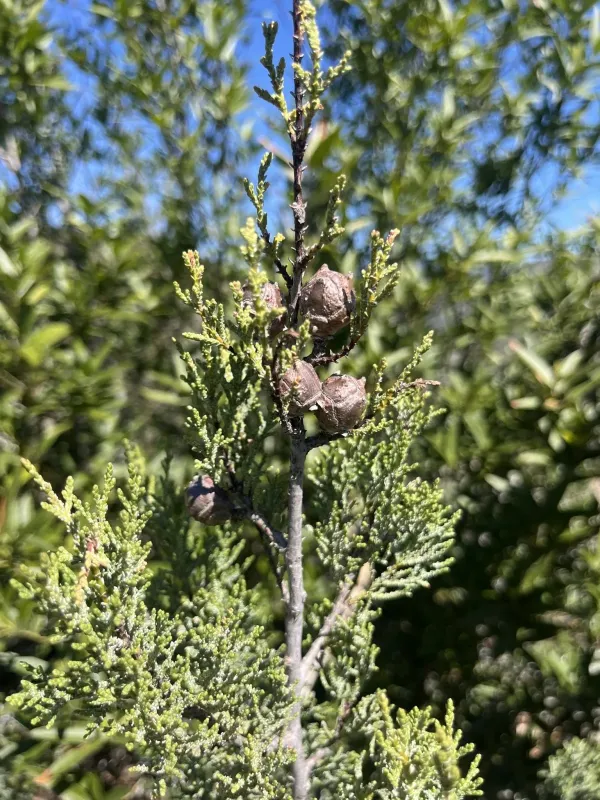
Description
Growing requirements
Macnab cypress (Hesperocyparis macnabiana) is an evergreen coniferous species belonging to the family Cupressaceae. It is a slow-growing tree, often shrub-like in its youth, known for its resilience and unique appearance.
The plant originates from the dry slopes of Northern California. It has evolved to thrive in environments with long, hot, dry summers and mild, damp winters, making it an excellent candidate for xeriscaping.
Successful cultivation requires well-draining soil, ideally of a rocky or sandy composition. It is essential to ensure that the site is not prone to waterlogging, as the root system is highly susceptible to rot.
This cypress species prefers full sun exposure to maintain its dense foliage and classic pyramidal structure. It is remarkably drought-tolerant once established and does not require frequent irrigation.
The tree is primarily used for ornamental purposes in gardens, as a specimen plant, or to create low-maintenance privacy screens in regions with suitable hardiness zones.
Main diseases and pests
The most significant health threat to Hesperocyparis macnabiana is root rot caused by Phytophthora species, which thrive in poorly drained and saturated soil conditions.
Pests such as spider mites and scale insects can occasionally infest the foliage, particularly during extended periods of drought when the plant is under stress.
Fungal diseases like cypress canker can lead to branch dieback. It is crucial to monitor the tree for any discoloration and prune out affected limbs immediately to stop the spread.
Proper spacing and site selection are the best preventative measures to ensure good airflow, which significantly reduces the risk of fungal proliferation.
Regular maintenance, including the removal of deadwood, helps keep the plant healthy and minimizes the shelter opportunities for potential garden pests.