
Bentham cypress
Hesperocyparis benthamii
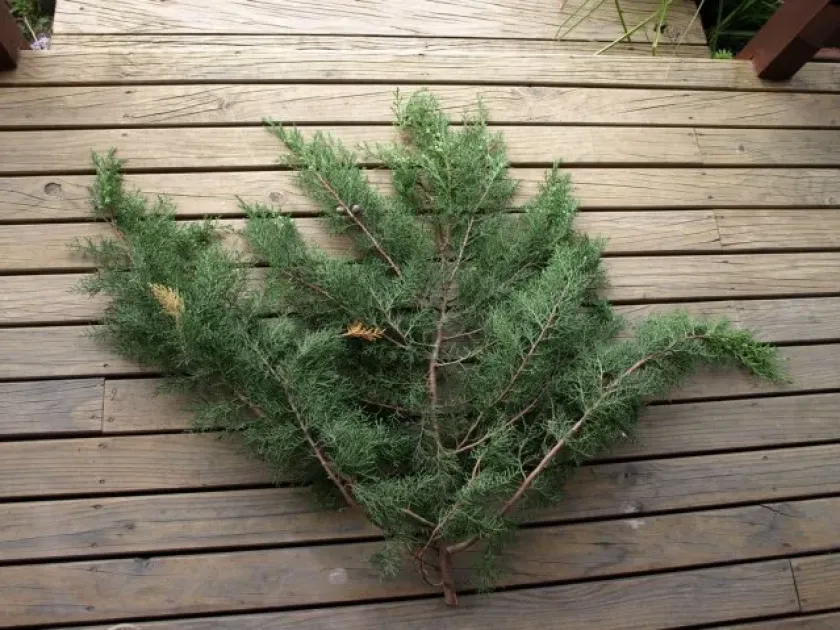
Description
Sowing dates
Propagation of the Bentham cypress is typically achieved through seeds or stem cuttings. Seeds should be sown in prepared substrate in late winter or early spring, ensuring a stratification period to enhance germination rates.
When sowing seeds in open ground or containers, maintaining a stable temperature between 18-22 degrees Celsius is crucial. The planting depth should not exceed one centimeter to allow for proper sprout emergence.
Cuttings are considered a more reliable method for maintaining the specific varietal traits of the plant. Semi-hardwood cuttings are taken in late summer, treated with rooting hormones, and placed in a light, well-draining soil mix.
A vital aspect during the rooting process is maintaining high air humidity, which is best achieved using greenhouses or plastic covers. The root system generally begins active development a few months after planting.
Once successfully rooted, young saplings require a gradual hardening-off period before being transplanted to their final location, ensuring they adapt to the external environmental conditions.
Growing requirements
The Bentham cypress is an evergreen tree belonging to the Cupressaceae family, naturally occurring in the mountainous regions of Mexico and Central America.
The plant thrives in sunny locations protected from strong, cold winds, although it can tolerate light partial shade. The ideal climate for the culture is moderately warm and humid, as the tree is sensitive to severe frosts.
The soil for cultivation must be fertile, light, and possess excellent drainage properties. Stagnant moisture in the root zone is detrimental to this species, often leading to root rot.
During the first years of growth, the cypress requires regular irrigation, especially during drought periods. Adult specimens exhibit some drought tolerance, though deficiency in moisture can significantly reduce the crown's ornamental quality.
To maintain crown density, sanitary and formative pruning is recommended. This practice allows the tree to retain its characteristic conical shape and prevents the branches in the lower sections from becoming bare.
Main diseases and pests
Fungal diseases, which develop in conditions of high humidity and poor crown ventilation, such as Fusarium or Phytophthora, pose a major threat to the Bentham cypress.
Pests such as spider mites and scale insects often attack weakened trees, causing needles to yellow and drop. Regular monitoring of the plant allows for the early detection of insect colonies.
To combat fungal infections, copper-based fungicides are used. It is important to perform preventive treatments in early spring to inhibit the spread of pathogen spores.
Damage to the root system by wireworms or white grubs can lead to overall tree decline; therefore, soil treatment with insecticides at the time of planting is considered a necessary precaution.
Adherence to agronomic standards, such as maintaining proper spacing between plants and ensuring adequate air circulation, remains the best defense against most diseases.