
Mexican cypress
Hesperocyparis lusitanica
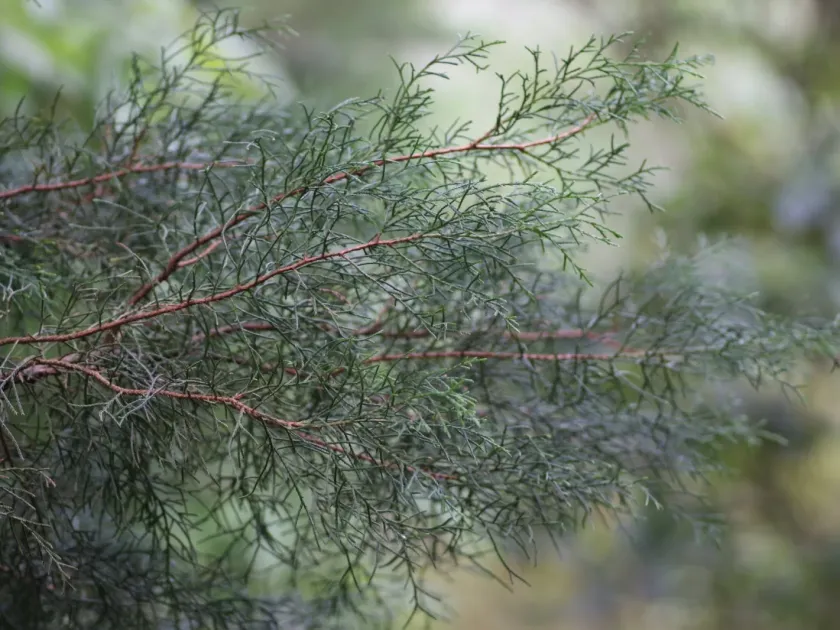
Description
Sowing dates
Sowing Mexican cypress seeds is best performed in the spring when soil temperatures reach 15–18 degrees Celsius. Pre-sowing cold stratification for 30–60 days is highly recommended to break dormancy and significantly improve overall germination rates.
Seeds should be sown in nursery beds using rows spaced about 20–25 centimeters apart. The burial depth should be shallow, approximately 1 to 1.5 centimeters, to allow the delicate seedlings to emerge successfully without excessive energy expenditure.
Some agricultural operations use growth stimulants to soak seeds prior to planting, which helps ensure more uniform growth. In climate-controlled greenhouses, seedling production can be carried out year-round provided that light and humidity levels are balanced.
Preparing a suitable growth medium is crucial for the early stages; it should be light, well-draining, and slightly acidic. A mix of peat, sand, and high-quality loam is usually the preferred substrate for robust root development.
After mass emergence, seedlings require consistent moisture but must be protected from extreme heat during midday hours. Transplanting into the open field is typically done in the second year when the root ball is sufficiently established for survival.
Growing requirements
The Mexican cypress is an evergreen conifer belonging to the Cupressaceae family, highly valued for its straight trunk and durable wood. It is native to the mountain forests of Mexico and Central America, where it thrives in mild, humid conditions.
This crop has high demands regarding atmospheric humidity but does not tolerate stagnant water in the root zone. Soils must be deep, fertile, and exhibit excellent drainage characteristics to prevent fungal root diseases.
The species is sensitive to hard frosts and generally performs best in regions with mild winters. In areas with colder climates, selective breeding for frost-tolerant varieties is necessary to ensure long-term plantation viability.
As a light-loving species, it requires open sites with minimal shading to develop a symmetrical canopy. High light exposure is directly linked to the rapid biomass production necessary for productive forest management.
Regular fertilization with nitrogen and phosphorus during the active growing season boosts early growth significantly. Mulching around the base of the trees helps maintain soil moisture and prevents the encroachment of competing weeds.
Main diseases and pests
Fungal pathogens such as Phytophthora and various root rots are the most serious threats to Mexican cypress. These are predominantly caused by poor soil drainage and waterlogging, making proper site preparation the most important defense.
Pests like scale insects and aphids can cause significant damage by feeding on the needles, resulting in chlorosis and premature leaf drop. Systemic insecticides should be applied at the first signs of infestation to minimize foliage damage.
Bark beetles may target stressed or weakened trees, making the maintenance of tree vigor a primary management priority. Clearing deadwood and practicing sound sanitation are effective ways to prevent beetle outbreaks.
Powdery mildew can affect young plantations in high-humidity environments, requiring copper-based fungicide treatments. Careful observation and pruning of affected branches can prevent the localized spread of fungal spores.
Consistent monitoring and professional nursery care are vital to preventing disease outbreaks. Quarantine measures for any new nursery stock are strongly advised to keep plantations healthy and productive over their long life cycle.