
Guadalupe cypress
Hesperocyparis guadalupensis
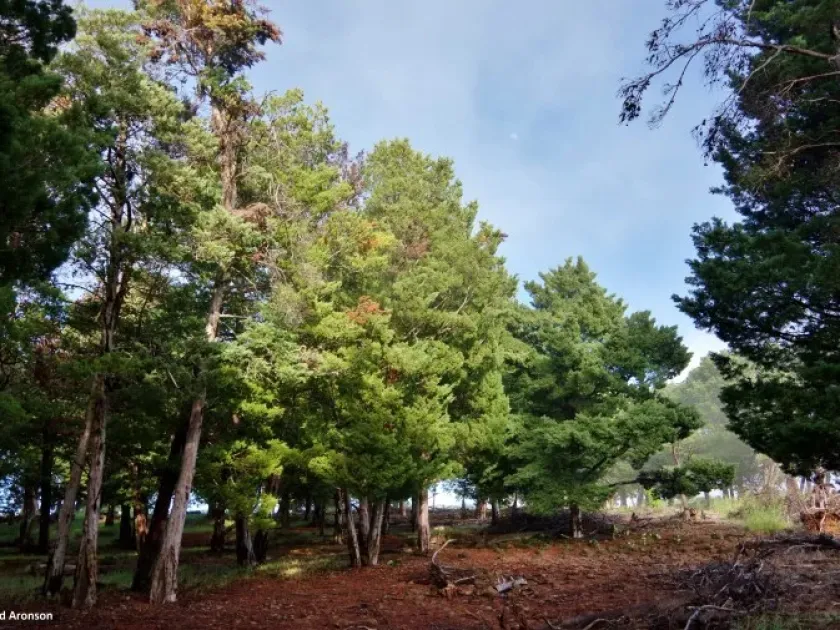
Description
Growing requirements
The Guadalupe cypress (Hesperocyparis guadalupensis) is a distinctive member of the Cupressaceae family, native exclusively to Guadalupe Island off the coast of Baja California. It is a slow-growing evergreen conifer known for its striking glaucous-green foliage and aromatic scales.
In terms of environmental requirements, this species is highly adapted to a Mediterranean-type climate with dry, hot summers and mild, wet winters. It thrives in full sun exposure and requires excellent air circulation to maintain its structural integrity and health.
The soil profile is a critical factor for success; the tree demands well-drained soil, preferably rocky or sandy loam. It does not tolerate waterlogged sites, as excessive moisture often triggers root-related diseases and decay, which are difficult to manage once established.
Regarding climate, it is considered moderately hardy. While it can withstand occasional light frosts, prolonged exposure to freezing temperatures may damage young trees. Therefore, it is best suited for coastal regions or protected microclimates where winter temperatures remain relatively stable.
Culturally, the Guadalupe cypress is prized for its high ornamental value in xeriscaping and sustainable landscaping projects. Its ability to thrive in poor soils and withstand periods of drought makes it a sustainable choice for gardeners in suitable hardiness zones.
Main diseases and pests
Fungal pathogens, particularly Seiridium canker, represent a primary threat to the species. This fungus infects the vascular system, causing branch dieback and lesions on the bark, often exacerbated by high humidity and lack of proper canopy ventilation.
Pest pressures primarily include aphids and scale insects. These pests feed on the sap of the cypress, leading to stunted growth and foliage discoloration. Integrated pest management, including systemic insecticides, is recommended if an infestation is detected early.
Root rot, often caused by Phytophthora species, is another significant risk, usually resulting from over-irrigation or poor drainage. Once root tissue is compromised, the tree loses its ability to uptake nutrients, leading to rapid decline.
Boring insects, such as bark beetles, can occasionally attack stressed or drought-weakened specimens. Maintaining tree vigor through proper spacing and occasional supplemental watering during severe drought can mitigate these risks effectively.
Sanitation practices, such as removing dead or infected wood, are essential components of the maintenance program. By ensuring the tree is not overcrowded and providing sufficient space for growth, the risk of disease transmission between specimens is significantly reduced.