
Forbes cypress
Hesperocyparis forbesii
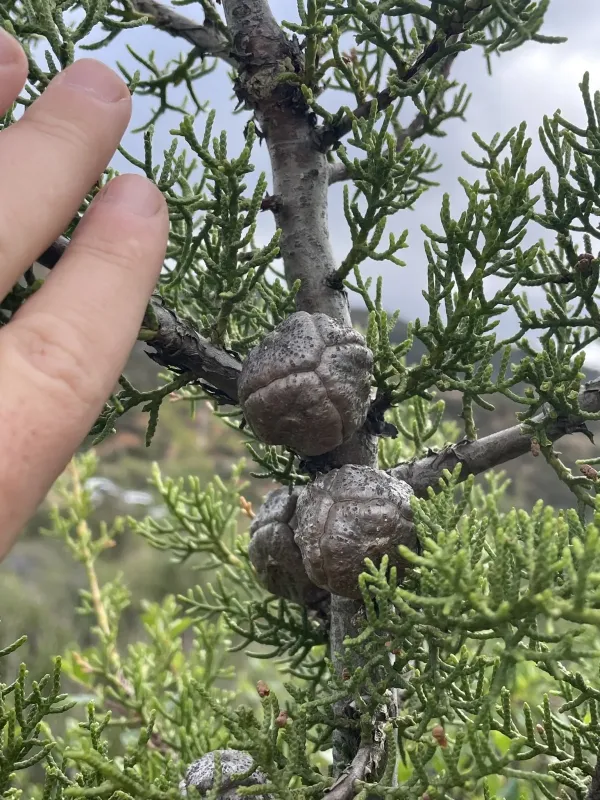
Description
Sowing dates
Propagation of Forbes cypress in nurseries is primarily carried out using generative methods, specifically seeds. Sowing is typically performed in the spring, after the seeds have undergone a stratification period at low temperatures for 30 to 60 days to increase germination rates.
When working with seeds, it is crucial to use a light, well-draining substrate. The optimal temperature for germination ranges between 18 and 22 degrees Celsius, while maintaining moderate soil moisture is essential to prevent waterlogging and seed decay.
Propagation through semi-hardwood cuttings is also a viable option, typically taken in late summer or early autumn. Cuttings are treated with rooting hormones and placed in greenhouse conditions with high humidity to ensure successful root development.
Young seedlings require regular watering during their first year. Transplanting into open ground is best planned for spring, after the risk of frost has passed, allowing the plant sufficient time to establish itself before the heat of summer.
Spacing during planting depends on the intended use: for dense hedges, a gap of 1 to 1.5 meters is maintained, while for solitary specimens, a distance of at least 3 to 4 meters is recommended to accommodate the future canopy volume.
Growing requirements
Forbes cypress (Hesperocyparis forbesii) is an evergreen coniferous tree belonging to the Cupressaceae family. In the wild, this species is native to Southern California and northern Mexico, typically thriving on rocky slopes and sites with relatively poor soils.
The plant demonstrates remarkable drought tolerance and is well-adapted to Mediterranean climates. It prefers open, sunny locations where intense sunlight promotes the development of a dense, compact canopy with a characteristic glaucous-green coloration.
The species is not particularly demanding regarding soil composition, though it performs best in well-drained soils with a neutral to slightly acidic pH. Avoiding water stagnation is critical, as the root system is highly sensitive to persistent moisture.
It possesses moderate cold tolerance. While it can withstand brief temperature drops, in regions with severe winters, the plant requires winter protection or should be managed as a container plant and moved indoors during the dormant season.
Standard agricultural practices include moderate fertilization with specialized conifer fertilizers at the beginning of the growing season. Pruning is primarily for shaping purposes and the removal of damaged or dry branches.
Main diseases and pests
Fungal diseases, such as fusarium wilt and phytophthora, pose the greatest threat to young plants, often exacerbated by improper watering and high air humidity. Preventive treatments with copper-based fungicides are highly recommended.
Common pests include spider mites and scale insects, which target the needles and young shoots. Upon early detection, control measures involving systemic insecticides or acaricides should be implemented to mitigate damage.
Occasionally, the trees may suffer from aphid infestations that sap nutrients from young shoots, causing growth deformation. Regular monitoring is essential, as early intervention significantly improves the success rate of recovery.
Poor maintenance, such as nutrient deficiencies or extreme temperature stress, can weaken the tree's immune system, increasing the risk of needle rust, which requires a comprehensive management approach.
To prevent disease spread, it is important to clear away fallen needles and maintain cleanliness around the base of the tree. Additionally, ensuring good air circulation within the canopy through selective thinning is a key preventative measure.