
Sargent cypress
Hesperocyparis sargentii
Description
Growing requirements
Sargent cypress (Hesperocyparis sargentii) is a coniferous tree belonging to the Cupressaceae family. It is native to California, known for its ability to thrive on serpentine soils that are often toxic to other plant species.
The tree exhibits remarkable drought tolerance, making it an excellent choice for xeriscaping and dry climate landscaping. It reaches a height of 10-15 meters, featuring a dense, evergreen canopy that provides excellent windbreak capabilities.
Optimal growth requires full sun exposure and well-draining soil. It is intolerant of waterlogged conditions, which can lead to rapid decline. The species is well-adapted to alkaline soils and requires minimal fertilization once established.
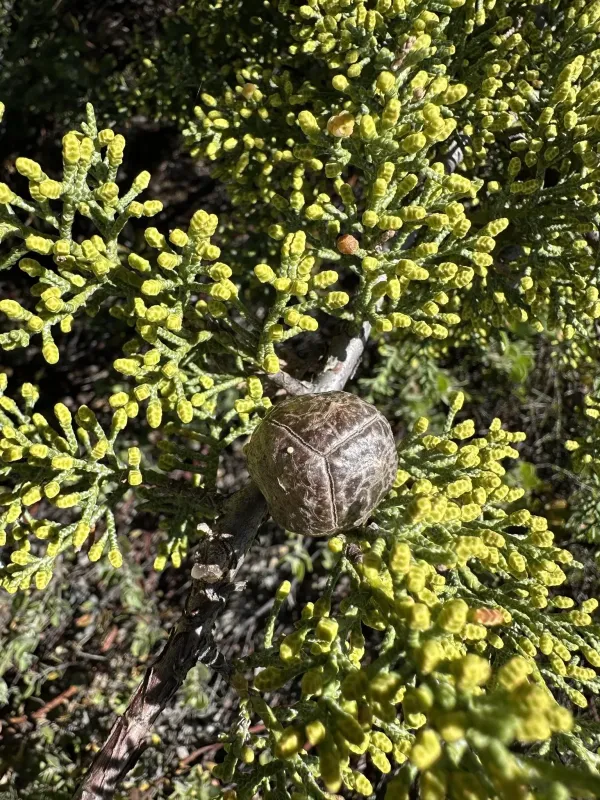
Botanically, the Sargent cypress is distinguished by its scale-like dark green leaves and persistent woody cones. The bark is typically gray and fibrous, offering a distinct aesthetic appeal for garden designs.
Due to its ecological hardiness, this species is frequently used in environmental restoration projects where soil conditions are poor. It serves as a resilient structural element in Mediterranean-style gardens.
Main diseases and pests
The primary pathological threat to Hesperocyparis sargentii is Seiridium canker, caused by the fungus Seiridium cardinale. This disease causes branch dieback and deep lesions on the stem, potentially killing the tree.
Insect pests such as aphids and scale insects are common. These pests feed on sap, which can stunt tree growth and lead to the development of sooty mold on the foliage surface.
Root rot, caused by Phytophthora species, remains a major concern in nursery and garden settings. Proper site selection and drainage management are essential to prevent the spread of soil-borne pathogens.
Sanitary pruning is the most effective management strategy. Any symptomatic branches should be removed promptly, and pruning tools must be disinfected with alcohol between cuts to prevent mechanical transmission.
Maintaining the overall health of the tree through correct irrigation prevents stress, which is the main precursor to pest infestations. Monitoring the canopy for signs of thinning or discoloration is recommended.