
Stephenson's cypress
Hesperocyparis stephensonii
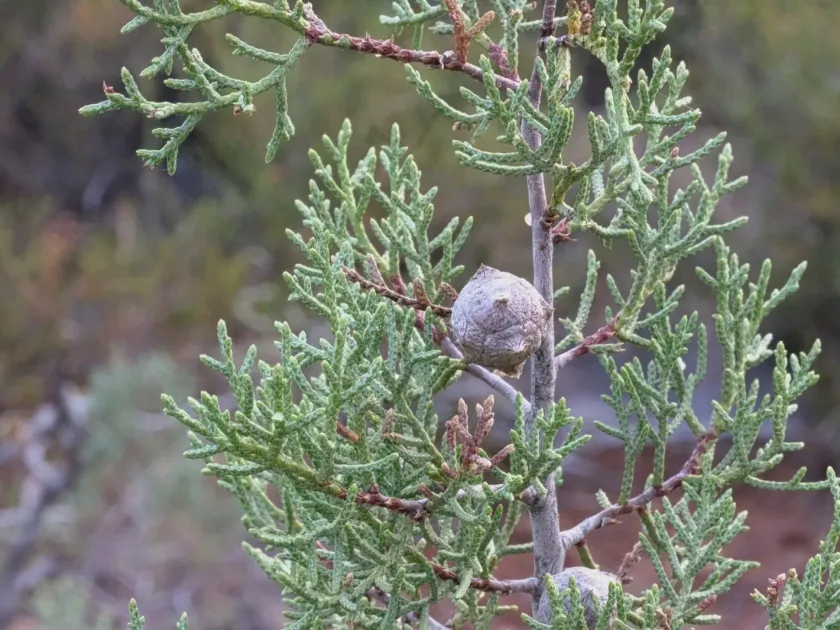
Description
Growing requirements
Stephenson's cypress (Hesperocyparis stephensonii) is a distinct coniferous tree species belonging to the Cupressaceae family. Originally from limited locations in California, it is now recognized for its unique aesthetic and biological characteristics that make it a notable subject for specialty cultivation.
The tree thrives in well-drained, nutrient-poor, or rocky soils, which are typical of its natural habitat. It demonstrates remarkable tolerance to drought once established, making it suitable for regions characterized by Mediterranean-like climates with long, dry summer seasons.
Full sun exposure is a primary requirement for this species to maintain its dense, pyramidal structure and healthy needle coloration. Planting the tree in shaded areas can lead to sparse growth and increased susceptibility to various pathogens due to lack of airflow.
In terms of soil chemistry, it prefers neutral to slightly acidic conditions. It is essential to ensure that the planting site has excellent vertical drainage, as the root system is highly sensitive to waterlogging, which often leads to rapid decline and mortality in cultivation.
Cultivation of this species requires minimal intervention once the saplings are mature. Periodic maintenance involves clearing competing vegetation and applying a light layer of organic mulch around the base to retain moisture without overwhelming the roots.
Main diseases and pests
Root rot is the most significant threat to Stephenson's cypress, primarily driven by poorly drained soils. Overwatering, especially during the dormant season, is a common error that can facilitate the rapid spread of Phytophthora and other soil-borne pathogens.
Spider mites are common pests that thrive in hot and dry environments. They often colonize the needles, causing them to lose their vibrant green color and turn yellow or bronze; regular misting of the crown can help mitigate mite populations effectively.
Scale insects can attach themselves to the bark, draining the tree's sap and creating conditions for secondary infections. Monitoring the branches for signs of these pests during the growing season is crucial for maintaining tree vitality and appearance.
Fungal needle cast diseases may occur if humidity levels remain high for extended periods, especially during mild, damp winters. Applying preventative copper-based fungicides can help protect the foliage from these seasonal fungal attacks.
Maintaining strong tree vigor through proper site selection is the best defense against pests and diseases. A well-placed, healthy tree can resist moderate insect damage on its own without the need for extensive chemical control methods.