
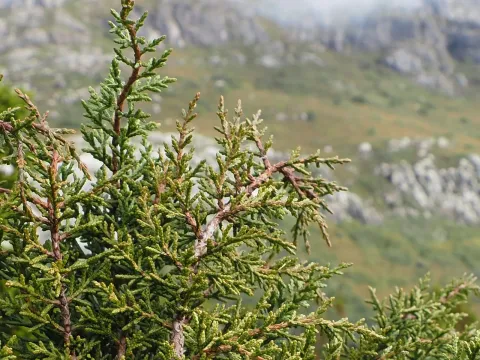
Diselma
Diselma
Diselma (Diselma archeri) is a monotypic genus of evergreen coniferous plants belonging to the Cupressaceae family. In its native habitat, this plant grows as a small shrub or a stunted tree, typically reaching a height of one to four meters.
What the section contains

Diselma
The species is endemic to the high-mountain regions of Tasmania, Australia. It is perfectly adapted to cold, wet alpine environments, thriving in boggy or rocky substrates where temperatures remain relatively low throughout the year.
When cultivated, Diselma requires a cool and humid climate with protection from intense direct sunlight. It thrives in well-draining, acidic to neutral soils rich in organic matter. Waterlogged roots are detrimental to its health, so excellent drainage is a fundamental requirement for success.
Botanically, it is distinguished by its scale-like leaves that are closely pressed against the branches, creating a compact and dense appearance. As a slow-growing species, it maintains its sculptural shape for many years, making it highly prized by enthusiasts of rare conifers.
In terms of usage, Diselma is almost exclusively used for ornamental landscaping, specifically in rock gardens or alpine collections. Due to its slow growth rate and specific environmental demands, it is considered a specialty plant rather than a widespread agricultural or horticultural crop.
The primary threat to Diselma in cultivation is root rot caused by stagnant water. Ensuring a porous substrate and cautious irrigation schedules is critical to preventing the proliferation of soil-borne pathogens that target the root system.
Spider mites are the most common pests, particularly if the plant is kept in conditions where the air is too dry or hot. Regular misting and monitoring are essential steps to keep the foliage healthy and free from damage during the warmer months.
Nutrient imbalances, particularly high pH levels in the soil, can lead to chlorosis, causing the foliage to fade or turn brown. Maintaining proper soil acidity is essential for the plant to effectively uptake nutrients and maintain its vibrant green color.
Mechanical damage to the roots or stem should be avoided at all costs. Because Diselma recovers slowly from any form of stress, careless handling during transplanting or weeding can lead to long-term decline or the death of the specimen.
Environmental pollutants represent a significant risk. The species is highly sensitive to air quality and is generally unsuitable for urban environments where levels of exhaust or industrial pollution are high, as these can easily overwhelm its respiratory system.