
Arizona cypress
Hesperocyparis arizonica
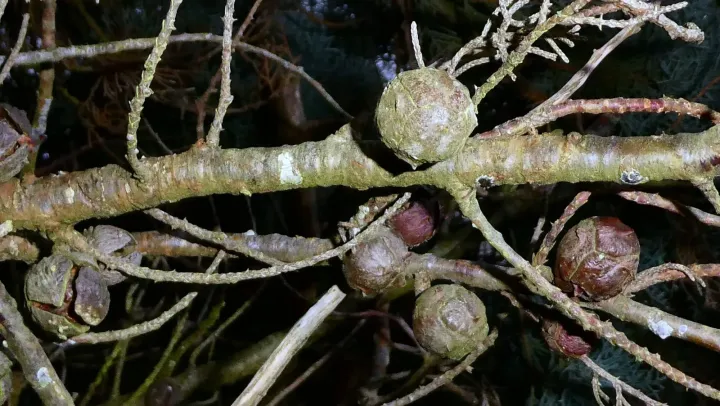
Description
Sowing dates
Arizona cypress (Hesperocyparis arizonica) is a member of the Cupressaceae family. Propagation is primarily achieved through seeds, which often require a period of cold stratification for 30 to 60 days to improve germination rates significantly.
When sowing, seeds should be placed in a well-draining soil mix at a depth of approximately 1 cm. Maintaining consistent, moderate moisture is vital during the germination phase, which usually lasts about one month under greenhouse conditions.
For ornamental cultivars, vegetative propagation via cuttings is the standard method. Semi-hardwood cuttings are harvested in late summer, treated with rooting hormones, and kept in a high-humidity environment until roots are established.
Young plants are usually grown in nursery containers for two years to ensure a strong root ball before field planting. Spring is the optimal time for transplanting to allow the trees to adjust to the site before the onset of summer heat.
Spacing requirements vary depending on the end goal: 1.5 meters for dense hedges and up to 4 meters for specimen plantings. Adequate airflow between plants is essential to reduce the risk of foliage diseases.
Growing requirements
The Arizona cypress is a heliophilic species, meaning it requires full sun exposure for healthy growth. Shade leads to sparse foliage and a loss of the characteristic dense, symmetrical habit of the tree.
Regarding soil, this species is highly adaptable but thrives in neutral to alkaline, well-draining soils. It is particularly valued for its ability to grow well in rocky or limestone-heavy substrates where other trees might struggle.
This tree is exceptionally drought-tolerant once established, thanks to its deep and extensive root system. Supplemental irrigation is generally only necessary during the first two years of development in the landscape.
The species shows good tolerance to heat and moderate cold, being hardy in many temperate zones. However, it should be protected from excessive winter moisture, which can cause root-related stress in colder climates.
Fertilization should be handled with caution. A light application of balanced slow-release fertilizer for conifers in early spring is sufficient. Over-fertilization, especially with nitrogen, can promote excessive growth that is susceptible to winter frost damage.
Yield
The Arizona cypress is widely utilized in landscape architecture for windbreaks, screen plantings, and ornamental hedges. Its striking blue-green or glaucous foliage provides year-round visual interest in gardens.
The tree's wood is highly esteemed for its durability, resistance to rot, and pleasant aromatic properties. It is often used for small-scale woodworking projects, decorative turnery, and rustic interior elements.
Due to its rapid growth and ability to be shaped, it is becoming an increasingly popular choice for Christmas tree farms in arid regions. The needles remain attached long after the tree is cut, which is a major commercial advantage.
The species serves as an effective soil stabilizer on slopes, helping to prevent erosion in harsh environments. Its dense root structure improves soil integrity in prone areas, making it a functional component in ecological restoration.
Essential oils extracted from the foliage have historically been investigated for their antimicrobial properties. These applications contribute to the tree's versatility beyond simple ornamental and timber production.
Main diseases and pests
Canker diseases, particularly Seiridium cardinale, pose the most significant threat to the Arizona cypress. These fungi cause branch dieback and unsightly lesions, requiring immediate pruning and disposal of affected plant material.
Root rot caused by Phytophthora species is a major risk in waterlogged or poorly drained soils. Maintaining proper site drainage is the primary defense against these soil-borne pathogens.
Spider mites are common pests that thrive during hot, dry summer months. They cause the foliage to lose its vibrant color and eventually turn brown, necessitating the use of targeted acaricides if infestations become severe.
Aphids can also infest the young growth of the tree. Regular monitoring of the inner canopy can help identify these pests early, allowing for effective control using horticultural oils or systemic insecticides.
Cultural practices such as removing dead branches and ensuring adequate tree spacing are essential for preventing the spread of diseases. A healthy, stress-free tree is significantly more resistant to both pests and fungal infections.