
Monterey cypress
Hesperocyparis macrocarpa
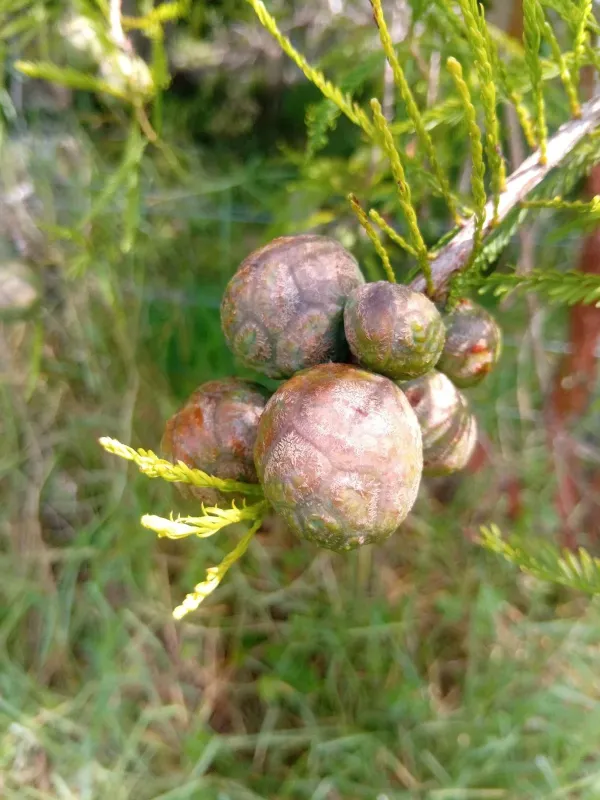
Description
Sowing dates
Propagation of Hesperocyparis macrocarpa is primarily achieved through seeds or semi-hardwood cuttings. Seeds require a period of cold stratification to break dormancy and ensure consistent germination rates.
Cuttings should be taken from healthy, disease-free trees during the late summer or early autumn. Using rooting hormones significantly improves the success rate of propagation in a controlled greenhouse environment.
Nursery management involves maintaining precise moisture levels in the rooting medium to prevent rot. Once rooted, young plants are transferred into containers with a well-draining soil mix.
The hardening-off process is essential before moving young cypress trees to outdoor nursery beds. This ensures the saplings can withstand environmental stressors effectively.
Field planting is ideally conducted in the spring to allow the root system to establish well before the onset of the heat or the next winter season.
Growing requirements
The Monterey cypress is a member of the Cupressaceae family, native to the central coast of California. It thrives in maritime climates characterized by moderate temperatures and humidity.
Soil requirements are strict: the tree demands excellent drainage. It will not tolerate waterlogged conditions, which lead to root rot and eventual death of the specimen.
Regarding sunlight, this species requires full sun to maintain a dense, symmetrical crown. Insufficient light leads to sparse foliage and a weakened structural integrity.
Climate tolerance is limited in frost-prone regions. While mature trees can handle mild frosts, younger specimens must be protected against freezing winds and severe cold.
Regular maintenance involves deep watering during prolonged dry spells, ensuring that the moisture reaches the deeper layers of the root zone.
Main diseases and pests
Cypress canker, caused by the fungus Cupressus canker, is the most destructive disease. It manifests as sunken lesions on branches and the trunk, eventually leading to dieback.
Pest management should focus on monitoring for aphids, scale insects, and spider mites. These pests can cause yellowing of the foliage and stunt the tree's growth.
Root rot caused by Phytophthora species is a major threat in soils with poor drainage. Mitigation requires implementing effective irrigation management and using resistant rootstocks.
Environmental stress, such as extreme heat combined with low humidity, can make the tree susceptible to secondary infestations by bark beetles.
Sanitation practices, including the sterilization of pruning tools, are vital to prevent the spread of pathogens between healthy and infected trees in the plantation.