
Abrams cypress
Hesperocyparis abramsiana
Description
Growing requirements
The Abrams cypress belongs to the Cupressaceae family. It is a rare endemic coniferous tree native to limited regions of coastal California, USA.
This species thrives in specific habitats, often found on sandy or rocky soils with excellent drainage. It is well-adapted to a Mediterranean climate characterized by wet winters and dry summers.
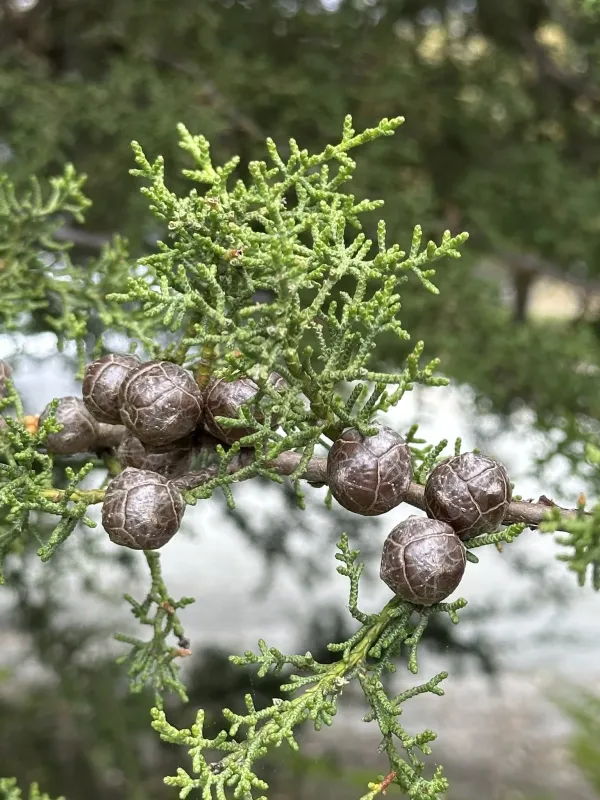
The tree is defined by slow growth rates and a slender, conical crown shape. Its leaves possess a scaly structure that is tightly pressed against the shoots, assisting in moisture retention during arid seasons.
In a cultivated landscape, the Abrams cypress requires sunny locations protected from strong winds. The soil should be slightly acidic to neutral, avoiding water stagnation, which is detrimental to its root system.
Agronomic practices for this species include regular watering during the seedling stage, mulching the base, and restricting nitrogen fertilizers to prevent excessive and weak shoot growth.
Main diseases and pests
A primary threat to the Abrams cypress population is the fungal disease caused by the pathogen Seiridium cardinale, which triggers the development of necrotic cankers on the bark.
Pests such as the cypress aphid can cause significant damage to the foliage, leading to yellowing and premature needle drop, which weakens the overall health of the tree.
Excessive moisture around the root collar frequently leads to root rot, caused by soil-borne fungi of the genus Phytophthora.
Anthropogenic impact and climate change pose risks to the natural distribution of the species, making it particularly vulnerable to pathogens when grown in non-native conditions.
Disease prevention involves ensuring proper air circulation within the canopy and avoiding overcrowding, which is critical for maintaining the health of coniferous plantations.