
Baker cypress
Hesperocyparis bakeri
Description
Growing requirements
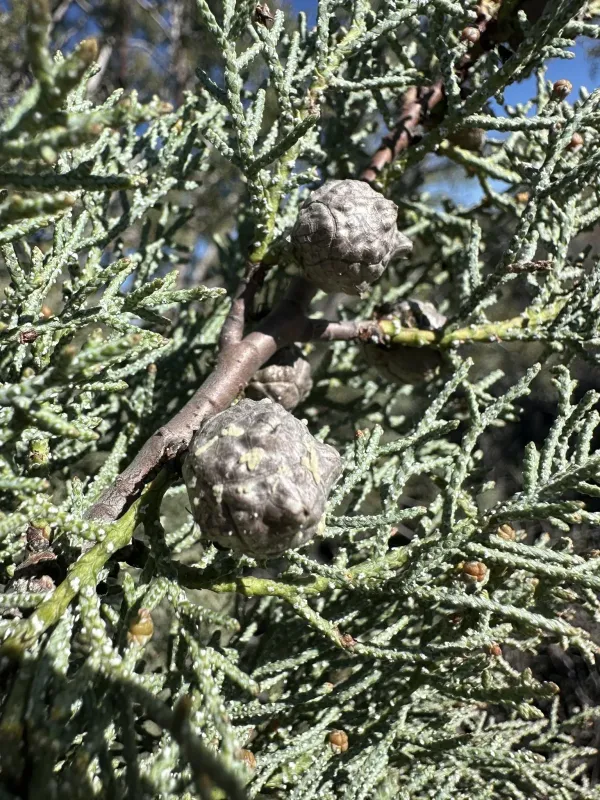
Baker cypress (Hesperocyparis bakeri) is a coniferous evergreen tree species belonging to the Cupressaceae family. Native to the mountainous regions of Northern California and Oregon, this species is well-adapted to harsh environments and volcanic, rocky soils.
This culture is highly valued for its landscape potential, featuring a distinct conical form and attractive silvery-green foliage. It thrives in full sun, which is essential for maintaining the density and vibrant color of its needles throughout the growing season.
Regarding soil requirements, the tree performs best in well-draining substrates. It is known for its tolerance to drought and poor soil conditions, making it a reliable choice for xeriscaping or areas where intensive soil amendments are not feasible.
Cold hardiness is one of the key botanical assets of the Baker cypress, allowing it to survive in regions with significant temperature fluctuations. Unlike many other cypress varieties, it does not require extremely mild climates to reach maturity.
For successful establishment, planting should be done in well-aerated soil. While mature trees are quite resilient, a consistent watering schedule during the first one or two years is recommended to ensure the root system is deep and stable.
Main diseases and pests
Pathogenic fungi, such as Phytophthora root rot, pose the most significant risk to this species. These infections are almost always linked to poor drainage or excessive soil moisture, emphasizing the need for proper site selection before planting.
Common pests include spider mites and scale insects, which can cause needle chlorosis or foliage drop if left untreated. These insects thrive in dry, stagnant air conditions, which is why proper spacing between plants is critical for airflow.
To mitigate health issues, regular sanitation is necessary. This involves clearing debris from beneath the tree and pruning away dead or crossing branches, which helps to maintain the plant's structural integrity and prevents dampness from accumulating.
In cases of infestation, the use of systemic insecticides or miticides may be required. However, such interventions should always be combined with cultural practices that favor the plant's natural resistance, such as avoiding overhead irrigation.
Periodic monitoring for signs of stress, such as yellowing foliage or bark lesions, is highly recommended. Proactive care, including the application of mulch to conserve moisture without suffocating the roots, significantly enhances the overall vitality of the cypress.